Loving Someone with Anxiety
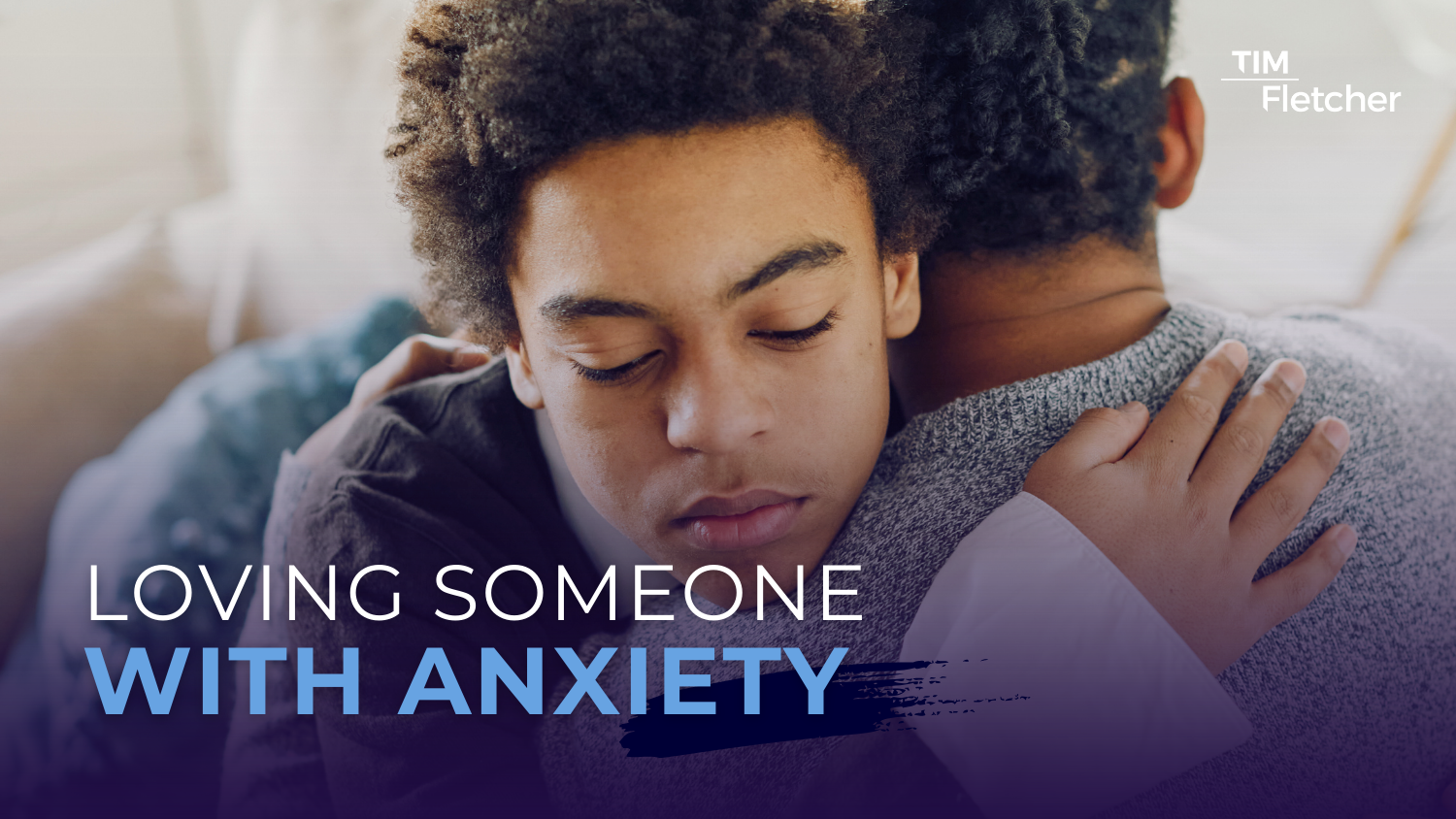
Loving someone with anxiety often means living in a state of subtle adjustments.
You may find yourself planning around fear, setting your needs aside, or stepping in to steady situations before they escalate. Over time, your life can begin to revolve around managing anxiety — not just theirs, but your own reaction to it.
This course focuses on what it’s like to be close to someone whose nervous system is frequently overwhelmed. It explores how anxiety shapes relationship dynamics, how accommodation slowly turns into responsibility, and why compassion can slip into self-abandonment without anyone intending it to. Rather than trying to fix anxiety, the course helps you understand how it operates — and how your responses may be keeping both of you stuck.
The goal of this course is to help you separate support from enabling, care from over-managing, and empathy from losing yourself. This course is designed to help you reconnect with your own values, hold boundaries, and stop letting fear decide everything for both of you.
Get Access with the EVERGREEN Membership
Get unlimited access to Tim Fletcher Co’s Evergreen library for just $30 per month, or $300 per year. With new self-development courses added every month, you’ll always have fresh, practical tools to support your growth in areas like trauma recovery, boundaries, relationships, and personal transformation. Learn at your own pace, revisit lessons anytime, and build lasting change with guidance that’s both compassionate and deeply practical. See more details here.
*All prices are in Canadian Dollars.
Course Curriculum
-
This introduction examines how anxiety shapes relationships through worry, reassurance-seeking, avoidance, and constant anticipation of risk. It focuses on how loved ones often become managers of safety and certainty without realizing it. Rather than framing anxiety as overthinking or fearfulness, it introduces it as a stress-driven pattern that organizes connection, decision-making, and emotional responsibility.
-
This module looks at how anxiety quietly reshapes relationships over time. It focuses on how fear-driven patterns begin to influence plans, communication, and decision-making, often without either person noticing the shift.
In this module you’ll:
Understand anxiety as a survival-based stress response rather than a personality trait.
Recognize how relationships begin reorganizing around fear and predictability.
Identify ways loved ones become managers of safety without intending to.
Notice the early cost of constant accommodation.
Name these patterns without blaming yourself or the other person.
Lesson • Video • Journal
-
This module examines why reassurance brings only short-term relief for anxiety and how it can quietly become the main way fear is managed in the relationship. It explores how responsibility for calming someone’s anxiety often shifts onto you as their loved one.
In this module you’ll:
Understand why reassurance works briefly but doesn’t resolve anxiety.
Recognize when reassurance turns into emotional regulation.
Identify how guilt and shame keep reassurance cycles going.
Notice where calming anxiety has become your responsibility.
Begin distinguishing support from carrying the fear.
Lesson • Video • Journal
-
This module focuses on avoidance as a primary anxiety strategy and how it gradually limits life and connection. It looks at how well-intended accommodation can unintentionally reinforce fear and reduce choice for both people.
In this module you’ll:
Understand avoidance as a short-term anxiety relief strategy.
Recognize how avoidance slowly shrinks shared life and options.
Identify ways accommodation reinforces fear without meaning to.
Notice the emotional cost of staying “safe” all the time.
Begin separating choice from anxiety-driven avoidance.
Lesson • Video • Journal
-
This module explores how boundaries support anxiety healing rather than worsen it. It focuses on accountability, shared responsibility, and how to stop letting fear quietly make decisions for both people in the relationship.
In this module you’ll:
Understand the difference between support and enablement.
Recognize how boundaries interrupt anxiety-driven patterns.
Identify where fear has been deciding for the relationship.
Learn how to hold limits without shaming or rescuing.
Begin restoring balance, agency, and honesty.
Lesson • Video • Journal
-
This module looks at how long-term accommodation to anxiety can erode identity and self-trust. It shifts focus back to your needs, values, and internal signals, and what it means to move forward with clarity rather than constant vigilance.
In this module you’ll:
Recognize how anxiety-focused relationships affect identity over time.
Understand the difference between compassion and self-abandonment.
Rebuild trust in your own limits, needs, and perceptions.
Reconnect with parts of yourself that went quiet.
Move forward grounded in clarity, whether the relationship changes or not.
Lesson • Video • Journal