Loving Someone with a Process Addiction
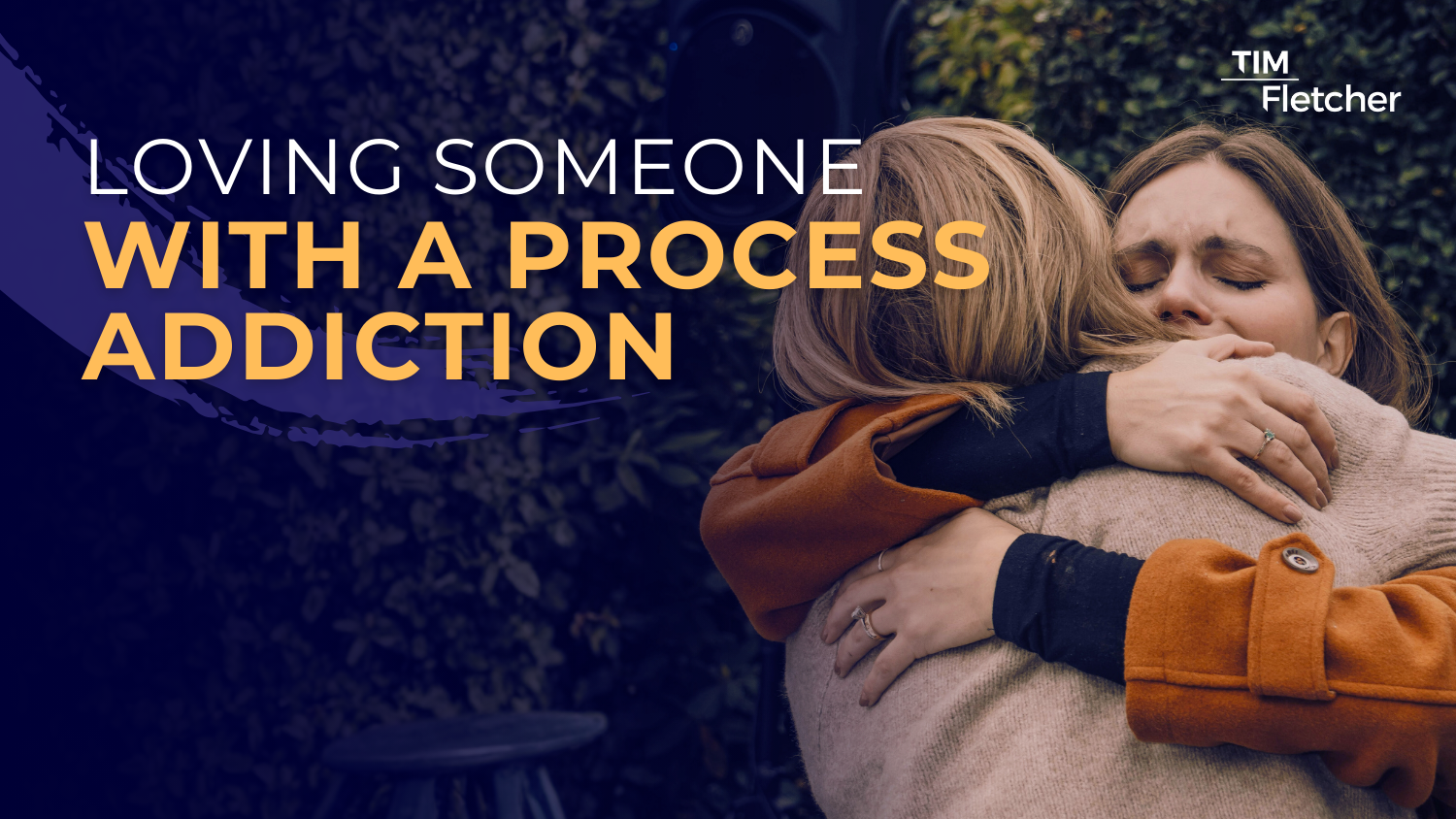
Loving someone with a process addiction often feels harder to identify than substance use.
There may be no intoxication, no obvious crisis, just a steady pull away from the relationship. Hours disappear into things like work, gambling, gaming, pornography, shopping, social media, or constant busyness. You might feel second to a screen, a habit, or an endless cycle of distraction, while being told nothing is really wrong.
This course looks at how process addictions shape relationships from the inside out. It explores how behaviours that regulate stress or numb emotion slowly replace connection, how secrecy and minimization erode trust, and why loved ones are often left compensating — carrying emotional weight, managing logistics, or trying to keep the relationship intact on their own. Over time, you may start questioning your expectations, lowering your needs, or wondering why you feel so lonely in a relationship that technically still exists.
This course aims to help you understand what you’re responding to, how codependent patterns form around process addictions, and why caring so much can cost you your sense of self. Rather than focusing on stopping behaviours, the course supports you in seeing the dynamic clearly and beginning to separate compassion from self-sacrifice, so you can stay connected to yourself while facing a situation that has required constant adaptation.
Get Access with the EVERGREEN Membership
Get unlimited access to Tim Fletcher Co’s Evergreen library for just $30 per month, or $300 per year. With new self-development courses added every month, you’ll always have fresh, practical tools to support your growth in areas like trauma recovery, boundaries, relationships, and personal transformation. Learn at your own pace, revisit lessons anytime, and build lasting change with guidance that’s both compassionate and deeply practical. See more details here.
*All prices are in Canadian Dollars.
Course Curriculum
-
This introduction focuses on relationships shaped by process addictions, where behaviours like screens, work, gambling, pornography, or caretaking compete with emotional presence. It looks at how repeated distraction, avoidance, and unfinished repair reorganize relationships around managing stress instead of sharing responsibility, and how loved ones often lose themselves while trying to keep connection intact.
-
This module examines the stress of loving someone who copes through avoidance rather than substances. It focuses on how emotional absence, half-presence, and unpredictability keep loved ones in a constant state of alert, even during periods that look calm from the outside.
In this module you’ll:
Understand how process addictions create chronic stress without obvious crisis.
Recognize hypervigilance as a response to emotional inconsistency and withdrawal.
Identify how distraction and avoidance disrupt connection over time.
See why your body stays on edge even during “good” periods.
Begin trusting your stress signals as information, not overreaction.
Lesson • Video • Journal
-
This module explores how loved ones gradually take on emotional management in process addiction dynamics. It shows how monitoring moods, timing conversations, and staying agreeable become ways to keep access to connection when attention is unreliable.
In this module you’ll:
Recognize how managing the relationship replaces mutual responsibility.
Understand how over-functioning develops in response to avoidance.
Identify behaviours like softening needs, staying quiet, or doing extra emotional work.
See how carrying the relationship feels necessary when presence is inconsistent.
Reduce self-blame by understanding how this pattern formed.
Lesson • Video • Journal
-
This module explains why moments of connection, remorse, or insight can feel relieving but fail to create reliability. It focuses on how short periods of presence reset hope, while patterns return under stress, keeping loved ones emotionally invested without real change.
In this module you’ll:
Understand why apologies and insight don’t change behaviour when stress returns.
Recognize how relief gets mistaken for safety in process addiction cycles.
Identify childhood patterns that link intensity or remorse with connection.
See how repeated letdowns turn into self-doubt and shame.
Begin distinguishing temporary calm from lasting dependability.
Lesson • Video • Journal
-
This module focuses on boundaries in relationships where attention and presence are inconsistent. It explains why setting limits can feel like risking abandonment, and how guilt keeps people negotiating for scraps of connection instead of protecting themselves.
In this module you’ll:
Understand why boundaries feel threatening in process addiction dynamics.
Recognize guilt as a survival response, not a moral signal.
Identify where you stay quiet or agreeable to avoid withdrawal or shutdown.
Learn to set boundaries that protect your participation, not control behaviour.
Begin stepping out of negotiation and back into self-respect.
Lesson • Video • Journal
-
This module turns toward identity and self-connection after long-term adaptation. It explores how living alongside a process addiction can lead to monitoring others instead of listening to yourself, and how reconnecting with your own needs changes the shape of the relationship.
In this module you’ll:
Recognize how competing with a behaviour erodes self-connection.
Notice where you know the addiction patterns better than your own needs.
Understand how identity narrows through constant adjustment.
Begin reconnecting with preferences, limits, and internal signals.
Learn how to remain present without disappearing.
Lesson • Video • Journal