



BLOG: EXPLORE MORE COMPLEX TRAUMA TOPICS
Deepen your understanding with these articles on key aspects of complex trauma learning and recovery.
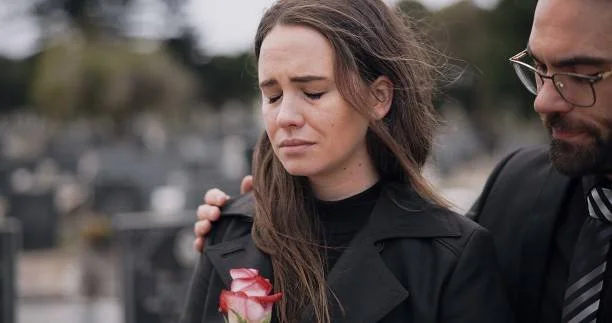
Rediscovering Yourself in the Silence After Loss - Navigating Grief and Complex Trauma
Grief carves a hollow space where love once lived—a silence so heavy it feels impossible to breathe. You cannot choose how loss wounds you, but you can choose how to meet it: not as a problem to fix, but as a wound to tend.
For those with complex trauma, grief awakens older fears—'I’m all alone'...'No one will ever stay'—but here’s what your nervous system needs to hear: 'I’m here. You’re not alone. It’s okay to be sad.'
This isn’t about ‘moving on.’ It’s about learning to carry love’s echo forward. Keep reading—your most tender ‘aha’ moment waits in the final lines.

My Anxiety Won’t Shut Up—Understanding the Complex Trauma Behind Relentless Worry
Anxiety doesn’t just whisper—it screams. For those with complex trauma, it’s not just ‘worry’—it’s an alarm system stuck on high alert, replaying old wounds like a broken record. But what if your anxiety isn’t the enemy? What if it’s a wounded part of you, desperate to be heard?
Keep reading—because understanding why your anxiety won’t shut up is the first step to quieting it with compassion, not combat.

What Makes an Apology Real? A Guide for Healing from Betrayal and Complex Trauma
"I'm sorry you feel that way."
"I apologized—why can't you just move on?"
"If I did anything wrong, I guess I'm sorry."
Sound familiar? For survivors of betrayal and complex trauma, these hollow words reopen wounds instead of healing them. But what makes an apology real—and how can you spot the difference between manipulation and true remorse?
Don't stop here. What comes next will give you:
The 8 types of fake apologies narcissists and manipulators use (with real examples)
Why complex trauma survivors instinctively distrust "I'm sorry"
The 4-part test for genuine remorse (hint: words are the least important part)
What to do when apologies don't change behavior (critical for your healing)
This isn't just another article—it's a roadmap out of the apology trap. Keep reading to reclaim your power.
(Trust us—the ending will change how you see forgiveness forever.)

Why You Can’t Stop Doomscrolling
You know doomscrolling is hurting you—so why can’t you stop? The answer lies deeper than willpower. Complex trauma rewires the brain to seek chaos, numbness, and even pain—making endless bad news feel strangely comforting. But there’s a way out. Keep reading to uncover the 5 hidden trauma triggers fuelling your scroll addiction…and how to break free for good.

The Roles We Play in Dysfunctional Families - How the Quiet One, the Funny One, and the Favourite Survive Complex Trauma
If you grew up as the quiet one, the funny one, or the favorite in a dysfunctional family, you didn’t just survive—you adapted in ways that shaped your entire life. But what protected you as a child may now be holding you back as an adult.
The invisible child who hid to avoid conflict now struggles to speak up.
The funny one who eased tension with jokes now fears being truly seen.
The favorite who got special treatment now feels lost without constant praise.
These survival roles kept you safe—but at what cost?
Keep reading to discover how these childhood adaptations play out in adulthood, and most importantly, how to break free from them. Your healing starts with understanding—and the most crucial insights are waiting for you at the end.

Loneliness, Belonging and the Path Through Complex Trauma
Loneliness isn't about being alone - it's about feeling unseen, even in a room full of people. Studies show 60% of married individuals experience profound loneliness, proving that connection goes far beyond relationship status.
If you've ever felt isolated despite being surrounded by others, struggled to trust after trauma, or questioned why relationships feel so difficult, this article holds vital answers. We'll explore how complex trauma rewires our ability to connect, why traditional solutions often fail, and most importantly - the surprising path to healing that begins with self-compassion. Your journey from loneliness to true belonging starts here.

How Childhood Trauma Traps You in Learned Helplessness – And How to Break Free
"I can’t do it." "Nothing ever works." "Why even try?"
If these thoughts haunt you, childhood trauma may have wired your brain for helplessness. But here’s the life-changing truth: what was learned can be unlearned. Discover how complex trauma hijacks your agency—and the proven steps to reclaim your power.
(This is just the beginning—keep reading to uncover the path from helplessness to healing.)
Why you should read to the end:
The shocking connection between childhood trauma and adult paralysis
4 science-backed ways to rewire your "helpless" brain
The liberating truth about why your past doesn’t have to dictate your future
Your breakthrough moment starts here...

Justice, Trauma and Recovery - Why Fairness Is a Core Need in Complex Trauma Healing
If you grew up in a home where fairness was absent—where rules changed based on moods, punishments were extreme, or hypocrisy went unchecked—you likely carry a deep, often unconscious sensitivity to injustice. For those with complex trauma, this isn’t just about wanting fairness—it’s about a fundamental need that was violated, shaping how you react to unfairness today—sometimes in ways that derail your recovery.
But what if justice isn’t just about fighting every battle? What if healing means learning to care without losing yourself? From why unfairness triggers trauma survivors so intensely to practical ways to balance justice with peace, this article reveals how to navigate injustice without sacrificing your recovery.
Read to the end—you’ll discover how to turn your hypersensitivity to injustice from a trigger into strength

Why We Bury Our Feelings - The Link Between Childhood Trauma Complex PTSD and Emotional Suppression
If you were taught that feelings are dangerous, you didn’t just learn to hide your pain—you lost access to your joy. Complex trauma rewires the brain to survive, not feel. But here’s the truth you need to hear: Numbness isn’t strength. Healing begins when you dare to uncover what you buried. Keep reading—your emotions have been waiting for this moment.

Happiness vs Pleasure - Rewiring the Brain After Complex Trauma
Why does happiness feel so out of reach after complex trauma? Many survivors chase pleasure—food, relationships, shopping, or adrenaline—only to feel emptier than before. The truth? Your brain wasn’t broken—it was rewired for survival. But healing is possible.
Discover:
How trauma hijacks your pleasure system
The crucial difference between fleeting highs and lasting joy
3 science-backed pillars to rewire your brain for happiness
The most surprising truth? True happiness isn’t found in chasing pleasure—it’s found in what most survivors fear most. Read to the end to discover what your healing brain really needs.

Why Am I Always Exhausted? How Complex Trauma Fuels Chronic Fatigue (And How to Heal)
You wake up tired. You push through the day, fueled by caffeine and willpower—yet no amount of sleep ever feels like enough. What if your exhaustion isn't just from lack of rest, but from years of carrying invisible weights? Complex trauma rewires your nervous system to run on empty, leaving you chronically drained even when life 'looks fine.' But there's hope. Keep reading to discover why trauma fatigue happens, how to spot its hidden signs, and—most importantly—gentle ways to reclaim your energy when you feel like you have none left

Why Understanding Your Emotions is Vital for Complex Trauma Recovery
Do your emotions often feel like a storm you can't control? If you've experienced complex trauma, those overwhelming feelings aren't a flaw—they're survival responses wired into your nervous system. The good news? You can rewire them. Discover why understanding your emotions is the missing key to healing, and learn 5 gentle tools to help you reclaim safety in your emotional world. (Trust us—Tool #3 changes everything.) Keep reading—your healing journey starts here.

Why Special Events Matter for Healing Complex Trauma Creating Safety Connection and Joy
For those with complex trauma, holidays and celebrations often bring pain—not joy. Empty rituals, broken promises, and family chaos can make special occasions feel like minefields. But what if these very events could become tools for healing? Discover how to reclaim birthdays, holidays, and milestones as moments of safety, connection, and deep validation. Your past doesn’t have to dictate your future—read on to learn how to rewrite the script

False Guilt How Complex Trauma Keeps You Trapped in Painful Emotions
Do you constantly feel guilty—even when you’ve done nothing wrong? False guilt, a cruel byproduct of complex trauma, keeps you trapped in a cycle of self-blame and shame. But here’s the truth: that guilt isn’t yours to carry. Discover how trauma warps your conscience, the 5 root causes of false guilt, and—most importantly—how to break free. Your healing starts here. Keep reading—this could change everything.

When a Narcissist is Triggered The Explosive Fallout of Rage, Shame, and Complex Trauma
A narcissist can seem perfectly healthy—until they're triggered. Then, the mask slips, revealing rage, manipulation, and cruelty. Their explosions aren’t just anger—they’re shame-storms that leave lasting trauma. But why does this happen? And how can you protect yourself? The answers might surprise you—keep reading to uncover the truth about narcissistic rage and its deep connection to complex trauma.

Re-Parenting the Wounded Inner Child: Healing Complex Trauma Through Compassionate Connection
Your inner child isn’t just a metaphor—it’s the wounded part of you still waiting to be seen. If you’ve ever felt ‘too much’ or ‘not enough,’ abandoned your needs to please others, or reacted intensely to small triggers, your past is speaking through you. Healing begins when you listen.
This isn’t about blaming your childhood. It’s about reclaiming the parts of yourself that trauma tried to erase. Keep reading—your inner child’s freedom is closer than you think.
(P.S. Stick around to the end for the 3 crucial rules of re-parenting—most people miss #2.)

Guilt vs. Shame in Complex Trauma: Why Distinguishing Them Is Vital for Healing
Guilt says, ‘I did something bad.’ Shame whispers, ‘I am bad.’ If you grew up with complex trauma, that distinction could be the key to your healing. While guilt can motivate change, shame paralyzes—telling you that you’re unworthy, unlovable, and broken at your core. But here’s the truth: Shame lies. And you don’t have to carry it forever. Dive into the full article to uncover how complex trauma shapes shame, the hidden signs you might be carrying it, and the compassionate steps to reclaim your worth.

Big T vs. Little t Trauma: How Complex Trauma Shapes Your Life (Tim Fletcher Explains)
Did you grow up thinking, 'My childhood wasn't that bad' - yet still struggle with anxiety, self-doubt, or feeling 'not enough'? The answer may lie in 'Little t' trauma - the emotional neglect and unmet needs that reshape a child's brain just as powerfully as dramatic abuse.
As trauma expert Tim Fletcher explains, complex trauma isn't just about what happened to you... but often about what didn't happen. That absence of emotional safety leaves wounds that follow us into adulthood, manifesting as perfectionism, people-pleasing, or addiction. The good news? These patterns aren't life sentences - they're survival strategies that can be unlearned.
READ THE FULL ARTICLE TO DISCOVER:
✓ The biological difference between "Big T" and "Little t" trauma
✓ How emotional neglect rewires the brain (with identical effects to physical trauma)
✓ 4 subtle signs you might be carrying complex trauma without realizing it
✓ The proven path to healing childhood wounds at any age
Your pain doesn't need to be 'big enough' to deserve healing - it just needs to be yours.

How Complex Trauma Shapes Your Sex Life: 4 Ways Trauma Disrupts Sexuality and Intimacy
Sex is everywhere in our culture—yet so many of us carry shame, confusion, or even grief about our own sexuality. If you’ve ever wondered, ‘Why does intimacy feel so hard?’ or ‘Is something wrong with me?’—you’re not alone. Trauma, especially complex trauma, silently shapes our sex lives in ways we rarely talk about. From the wounds of abuse and neglect to the hidden impact of religious shame or parental hang-ups, our deepest struggles with desire and connection often trace back to the past. But healing is possible.
In this eye-opening article, we explore the 4 ways trauma distorts sexuality—and how to reclaim a healthier, more compassionate relationship with your body and desires.
Ready to understand yourself better? Read the full article.

Complex Trauma and the Many Faces of Insecurity: Choosing Confidence That Lasts
Do you ever feel like you're just not enough—no matter how hard you try? For survivors of complex trauma, insecurity isn't just self-doubt—it's a deep-rooted belief that shapes every relationship, decision, and moment of self-reflection. But here's the truth: your insecurities are not facts. They're echoes of past wounds that can be healed.
In this powerful exploration of trauma and self-worth, we uncover where these crippling doubts come from and—most importantly—how to break free. Discover why perfectionism backfires, how childhood teasing still affects you today, and the liberating practice of choosing 'good enough' over perfect. Your journey to unshakable confidence starts here.