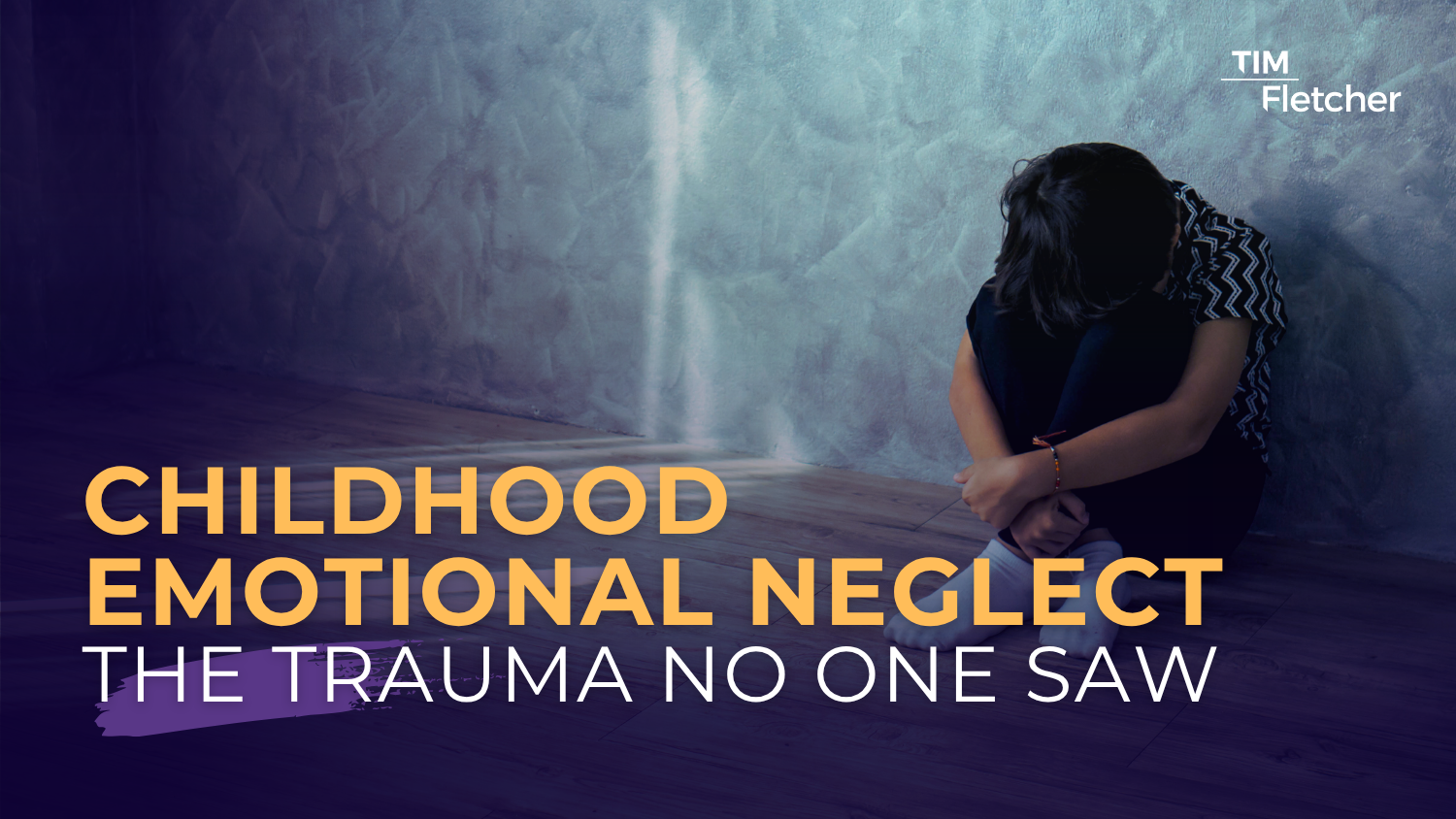
Childhood Emotional Neglect: The Trauma No One Saw
If nothing terrible happened, why do you still feel disconnected, lonely, or unsure of yourself?
You may have grown up in a home that looked fine from the outside. Your physical needs may have been met, there may be good memories, and yet something still feels difficult to explain.
In this course, you’ll learn how childhood emotional neglect can shape a person even when there was no obvious abuse, chaos, or dramatic event to point to. You’ll look at the emotional needs every child has, including attunement, validation, comfort, guidance, and connection, and how those needs can go unnoticed even in loving or well-meaning families.
You’ll also learn how unmet emotional needs can show up later as emptiness, self-doubt, emotional numbness, difficulty asking for help, shame, or a sense of not fully knowing yourself. This course helps you understand the impact of what was missing, make sense of patterns that may have followed you into adulthood, and begin learning the emotional skills and self-compassion that may not have been available when you needed them most.

Get Access with the EVERGREEN Membership
Get unlimited access to Tim Fletcher Co’s Evergreen library for just $30 per month, or $300 per year. With new self-development courses added every month, you’ll always have fresh, practical tools to support your growth in areas like trauma recovery, boundaries, relationships, and personal transformation. Learn at your own pace, revisit lessons anytime, and build lasting change with guidance that’s both compassionate and deeply practical. See more details here.
*All prices are in Canadian Dollars.
Course Curriculum
-
Many people dismiss their struggles because nothing obviously traumatic happened. They remember food on the table, a place to live, and caregivers who seemed to be doing their best, yet still carry a persistent sense of loneliness, emptiness, or self-blame.
This module introduces childhood emotional neglect as a trauma of absence, exploring how emotional needs can go unmet even when physical needs are provided and why what was missing continues to shape adult life.
In this module you’ll:
Revisit how emotional needs were handled in your childhood environment.
Identify the belief that “nothing bad happened, so it must not have been trauma.”
Understand how emotional neglect can shape a child even when their physical needs were met.
Begin changing the narrative from “I should not be affected by this” to “what was missing mattered.”
Connect childhood emotional neglect to present-day patterns of emptiness, self-blame, loneliness, numbness or feeling unseen.
Lesson • Video • Journal
-
Many adults carry shame about having emotional needs at all. They may believe they expected too much, were too sensitive, or should have been able to handle things on their own.
This module explores the emotional needs every child requires for healthy development, including attunement, acceptance, validation, nurture, and secure attachment, and how missing these experiences can affect relationships with self and others later in life.
In this module you’ll:
Revisit what emotional needs were met or missed in your childhood.
Identify the difference between physical care and emotional attunement.
Understand why secure attachment is essential for a child’s development.
Begin changing the narrative from “I should not have needed so much” to “my needs were part of being human.”
Connect unmet emotional needs to present-day patterns of loneliness, disconnection, self-doubt or difficulty trusting others.
Lesson • Video • Journal
-
Some struggles seem to follow people for years without a clear explanation. Feelings of emptiness, emotional numbness, self-criticism, difficulty asking for help, or never quite feeling connected can begin to feel like permanent parts of who they are.
This module examines common adult patterns linked to childhood emotional neglect, helping connect present-day struggles to adaptations that developed when important emotional needs were repeatedly missed.
In this module you’ll:
Revisit adult patterns that may have roots in childhood emotional neglect.
Identify signs such as emptiness, emotional numbness, counter-dependence, shame or difficulty knowing what you feel.
Understand why these patterns may have developed as survival responses.
Begin changing the narrative from “this is just what is wrong with me” to “this may be how I adapted.”
Connect present-day struggles to emotional needs that were not consistently met in childhood.
Lesson • Video • Journal
-
For many people, recognising emotional neglect brings confusion rather than certainty. They can point to good memories, loving intentions, and caregivers who worked hard, making it difficult to understand why they still feel hurt by what was missing.
This module explores why childhood emotional neglect is often invisible, how family systems can hide emotional loneliness, and why telling the truth about your experience is not the same as blaming or betraying those who raised you.
In this module you’ll:
Revisit why childhood emotional neglect may have been difficult to recognise.
Identify family patterns that can look normal, loving or successful from the outside while still leaving a child emotionally alone.
Understand why naming neglect can bring confusion, guilt or grief.
Begin changing the narrative from “I am betraying my family by naming this” to “I am telling the truth about my experience.”
Connect the invisibility of neglect to present-day self-doubt, minimising and difficulty trusting your own story.
Lesson • Video • Journal
-
Once emotional neglect has been recognised, a new challenge emerges: learning how to heal something that was defined by absence. Many people know something was missing but struggle to understand what healing actually looks like.
This module focuses on the first steps of recovery, including acknowledgement, self-compassion, grief, self-attunement, and safe connection, while introducing the emotional skills that may never have been taught in childhood.
In this module you’ll:
Revisit the emotional needs that may have been neglected in childhood.
Identify the first steps of healing, including acknowledgement, self-compassion, grief and support.
Understand why healing emotional neglect involves learning new emotional tools.
Begin changing the narrative from “I should already know how to do this” to “I can learn what I was not taught.”
Connect healing to present-day practices of noticing needs, offering compassion and seeking safe connection.
Lesson • Video • Journal