If You Leave Me, Can I Come Too? — Codependency and Complex Trauma Explained
The phrase “If you leave me, can I come too?” may sound playful at first, but it captures an emotional truth for many: a deep fear of separation, rejection, or being left behind. For those who identify with this sentiment, it often points to codependency — a relational pattern rooted in the experience of complex trauma.
This article unpacks these two interconnected concepts, offering insights into their origins, their impact on relationships, and practical steps toward healing. Whether you’re here seeking understanding or tools for change, this is your chance to explore how these patterns work — and how they can be transformed.
What Is Complex Trauma?
Complex trauma occurs when someone experiences repeated and prolonged emotional distress, often in formative relationships during childhood. Unlike single-event trauma, complex trauma reshapes how you see yourself, others, and the world.
How it manifests:
- A diminished sense of self-worth.
- Difficulty regulating emotions.
- Hyper-vigilance in relationships.
For example, a child who grows up in a home where love is conditional — based on obedience or emotional suppression — may internalize the belief that their worth depends on pleasing others.
To understand more about complex trauma, check out this in-depth guide on its impact
What Is Codependency?
Codependency is a relational pattern where your self-worth becomes intertwined with others’ approval, needs, and emotions. It’s not just about helping others — it’s about losing yourself in the process.
Signs of codependency include:
- Feeling responsible for other people’s happiness.
- Struggling to express your own needs.
- Fear of abandonment or rejection.
- Seeking validation through acts of self-sacrifice.
Although it might appear selfless, codependency is often driven by an underlying fear of being alone or unworthy without external validation.
How Are Codependency and Complex Trauma Connected?
Codependency often develops as a response to complex trauma. When early relationships teach you that love and safety depend on meeting others’ needs, you may unconsciously carry that pattern into adulthood.
Imagine this:
A child grows up with a caregiver who is emotionally unavailable or volatile. To avoid conflict, the child becomes hyper-attuned to the caregiver’s moods, learning to prioritize their needs over their own. This survival strategy — while effective in the moment — lays the foundation for codependency in future relationships.
As adults, we may find ourselves in relationships where we repeat these dynamics, even if they are harmful or unfulfilling.
Why Do We Stay in Codependent Relationships?
The answer lies in the deep-seated fear of being alone. For individuals with complex trauma, codependent relationships feel familiar, even if they are unhealthy.
Questions to consider:
- Do you feel responsible for fixing others’ problems?
- Are you afraid that setting boundaries will lead to rejection?
- Do you equate being needed with being loved?
This fear of abandonment often keeps us stuck, but recognizing these patterns is the first step toward freedom.
Breaking Free: Steps to Heal from Codependency and Complex Trauma
Healing is possible, but it requires courage, self-awareness, and support. Here’s a roadmap to start your journey:
1. Understand Your Patterns:
Begin by identifying the relational dynamics in your life. Are you consistently prioritizing others at your expense?
2. Set Boundaries:
Boundaries are a form of self-respect. Start small by saying no to minor requests that drain your energy.
3. Rediscover Yourself:
Reconnect with what makes you you. Pursue hobbies, passions, or goals that bring you joy and fulfillment outside of relationships.
4. Seek Professional Support:
Therapy or trauma-informed recovery programs can provide essential tools and guidance. Explore our articles on complex trauma
5. Practice Self-Compassion:
Remember, healing isn’t linear. Celebrate small victories and be gentle with yourself through setbacks.
What Does a Healthy Relationship Look Like?
Healthy relationships are based on mutual respect, trust, and emotional autonomy. Unlike codependent relationships, they allow space for individuality and growth.
Reflect on these questions:
- Can I express my needs without fear?
- Do I feel seen, heard, and valued as I am?
- Am I maintaining my sense of self in this relationship?
If your answers reveal an imbalance, it might be time to reevaluate the relationship and prioritize your emotional well-being.
Common Myths About Healing from Codependency
Myth 1: I have to become completely independent.
Truth: Healing isn’t about rejecting connection; it’s about building relationships that respect your boundaries and identity.
Myth 2: I’ll never change because this is who I am.
Truth: Codependency is a learned behavior, not a fixed identity. With the right tools, you can unlearn these patterns.
Myth 3: Healing means I’ll lose my relationships.
Truth: Healthy boundaries may shift some dynamics, but they also create space for deeper, more authentic connections.
The Path Forward: Choosing Yourself
Breaking free from codependency and the grip of complex trauma isn’t just about leaving harmful relationships — it’s about choosing yourself. It’s about learning to trust your inner voice, value your needs, and build a life that reflects your worth.
This journey isn’t easy, but it’s transformative. Every step you take — whether it’s setting a boundary, seeking support, or exploring your identity — is a step toward freedom.
Additional Resources to Support Your Journey
- Explore our ALIGN courses for practical, trauma-informed tools to help you navigate recovery -
- Read “Complex Trauma, Survival Adaptations, and the Concept of Soul Murder” for actionable insights.
Healing is a journey of self-discovery and empowerment. You don’t have to walk it alone.
Read More

We come into recovery with so much hope. We finally understand our complex trauma. We see how shame and survival adaptations shaped our lives. We start to heal. And naturally, we want to share this with our family.
But instead of excitement, we get blank stares. Dismissal. Sometimes they look at us as if we are the ones with the problem. We ask ourselves, "Why can't they see what is so clear to me? Why won't they acknowledge their trauma?"
This is one of the most painful parts of the healing journey. And it leaves us feeling alone, frustrated, and confused.
But there is an answer. It lies in understanding something called a family paradigm, the invisible lens through which our family sees the world. Once we understand this, everything changes. We stop blaming ourselves. We stop trying to force them to see. And we find a path toward peace.
Read on to discover why your family cannot see their trauma, what is really keeping them trapped, and how we can plant seeds of healing without losing ourselves in the process.
The full article is waiting for you below. It may just be the validation and guidance you have been looking for.

Have you ever wondered why you cannot let go of someone who hurt you, even when you know the relationship was unhealthy? You are not weak. You are not broken. You are caught in something called a trauma bond, and your nervous system is doing exactly what it was taught to do.
In this article, we walk through a heartfelt letter from a reader named Robbie. She lost two of the most important relationships of her life, one to betrayal, one to death. Her story shows us why complex trauma makes letting go so painful, and why grief and love can exist at the same time.
If you have ever felt ashamed for still loving someone who hurt you, or if you have ever felt stuck in grief with no clear way forward, this piece is for you. We explore why the brain holds on, how trauma bonds work like addictions, and what it actually takes to heal.
Please read to the end. There is hope here, and there are practical steps you can begin today. You are not alone, and you are worth the effort it takes to heal.

What if everything you were taught about pride was wrong?
Many of us grew up believing that pride was a sin, something to avoid at all costs. We were told that humble people do not celebrate their accomplishments or acknowledge their strengths. But what if that message was incomplete? What if there is a big difference between healthy pride and toxic shame, and confusing the two has left many of us carrying wounds we never understood?
For those navigating complex trauma, this confusion runs deep. It shapes how we see ourselves, how we show up in relationships, and how we carry our worth.
In this article, we unpack the difference between healthy pride and toxic shame. We explore how shame develops in childhood, how it drives unhealthy pride, and what healthy pride actually looks like. We also share practical steps for healing.
If you have ever struggled to feel good enough, or wondered why you cannot accept praise or celebrate your wins, this one is for you.
Read until the end. The aha moment might just change how you see yourself.

You show up. You do the work. You never complain. From the outside, you look like the perfect employee. Inside, you are exhausted, anxious, and quietly falling apart. What if the real reason is not your workload, but the childhood trauma you carry into every shift? In this article, we explore how complex trauma sabotages you at the office through boundaries, people-pleasing, isolation, perfectionism, and more, and how healing shame can set you free. Read to the end, because the last section may be the moment everything finally makes sense.

What if the thing blocking your healing is not something you need to add, but something you need to stop? Many survivors of complex trauma reach a point where growth stalls, and the reason is often four survival behaviours that quietly sabotage recovery. From fawning and self abandonment to keeping toxic people close, waiting for a magic fix, and protecting an image that was never really you, these patterns feel safe but keep us stuck. Read till the very end, because the final one may be the most freeing of all.

Why does work hurt so much when you carry complex trauma?
It is not because you are weak. It is not because you are bad at your job. It is because work touches every wound you have ever carried. The fear of not being good enough. The dread of conflict. The voice in your head that never stops criticizing. The stress that builds quietly until it explodes.
If any of this sounds familiar, you are not alone, and you are not broken.
In this article, we walk through why work triggers your deepest insecurities, how complex trauma shapes your career, and what healing can actually look like. We explore the survival adaptations that once kept you safe but now hold you back. We talk about the inner critic, the fear of conflict, the nervous system, and why self-compassion feels so foreign but is so necessary.
And most importantly, we offer a path forward. One small step at a time.
Read until the end. The most important part is waiting for you there.

What if the very things that helped you survive complex trauma are now the things keeping you stuck?
Many of us carry unhealthy tools we picked up in childhood, tools that once protected us but now stand in the way of healing. In this article, we explore three lies our brain tells us and what we need to stop doing before we can truly heal.
If you have ever felt stuck in your recovery, wondering why the same patterns keep showing up, this one is for you. Read until the end, because the truth beneath these lies might be the key to unlocking your next step.

If you have spent your life trying to keep everything and everyone under control, you have likely been doing it for very good reasons. Control once kept you safe. It helped you survive environments that felt unpredictable and unsafe. But somewhere along the way, the very thing that protected you may have started to leave you feeling empty, exhausted, and disconnected from the people you love.
In this article, we explore why control becomes a survival adaptation for those carrying complex trauma, how shame quietly fuels the cycle, and what it looks like to finally loosen the grip without losing yourself. We will look at the deep fear of failure, the fear of the unknown, and the ways complex trauma shows up in relationships. We will also explore practical steps toward healing, including reparenting after complex trauma and learning to trust safe people again.
If you have ever wondered why staying in control never quite delivers the peace it promises, this piece is for you. Read all the way to the end. The path forward may surprise you, and it may be the beginning of something you have been longing for all along.

We often think of healing from complex trauma as something we do alone. We read books. We watch videos. We try to understand our symptoms. We work on ourselves. And while all of that matters, there is a deeper layer of healing that cannot happen in isolation.
Complex trauma is relationship trauma. It happened in connection with others, often in environments where our needs for safety, love, and belonging were not met. Because connection was damaged or broken in the past, connection must now become part of the healing journey. We cannot just be self-sufficient. We cannot just do it all on our own.
But what if the thought of connecting with others fills you with dread? What if your nervous system screams danger every time you consider letting someone in?
There is a profound metaphor from nature that can change how we see this struggle. It reveals why we need connection to heal, why it feels so terrifying, and how we can begin to build a web of support even when we are afraid. This metaphor offers a path forward for anyone who has ever felt trapped between the desperate need for belonging and the paralyzing fear of being truly seen.
If you have ever wondered why connection feels so dangerous or how to take the first step when you are frozen by fear, this article is for you. Keep reading to discover how the forest can teach us to heal.

Office politics can feel like a minefield for anyone. But for those of us with a history of complex trauma, the workplace is not just a place of deadlines and meetings. It is a stage where old wounds are triggered and survival patterns from childhood are re-enacted. The fear of authority, the compulsion to overpromise, the terror of failure, and the panic that comes with change are not signs of weakness. They are the echoes of a past where being authentic was not safe. This article explores how these patterns show up at work and what it takes to heal them. We invite you to read to the end because understanding why you react the way you do is the first step toward breaking free.

Picture this. You are drowning in work. Deadlines are everywhere. The answer is simple. Ask a colleague for help. But a voice inside screams the opposite.
"Don't. You will be a burden. They will think you are incompetent."
If this feels painfully familiar, you are not alone. This is not weakness. This is the echo of complex trauma.
For millions of people, asking for help triggers a deep fear that feels impossible to overcome. It is wired into your nervous system. It is a survival adaptation that once kept you safe.
But it no longer serves you.
In this article, we explore why asking for help feels like danger. We look at the roots of hyper-independence. We uncover the disguised trauma responses that show up at work. And most importantly, we offer a path forward.
Healing is possible. It starts with understanding.
Read the full article to discover how to break free from the fear of asking for help and begin your healing journey.

Have you ever found yourself asking, "Why do I keep choosing people who hurt me?" or "Why does healthy love feel so foreign and uncomfortable?"
If you grew up with chaos, rejection, or emotional distance, your nervous system learned to recognize those patterns as normal. What feels familiar often feels like safety, even when it is not. This is not a flaw in you. It is an adaptation that once protected you and may now be creating distance where you long for connection.
The path to lasting love does not begin with finding the right partner. It begins with understanding why you are drawn to what you know, learning what real safety looks like, and becoming a safe person yourself. This is not about perfection. It is about awareness, intention, and the courage to choose differently.
Healing is possible. Healthy relationships are possible. And you do not have to figure it out alone.
Read on to discover what makes a person truly safe, how to recognize unhealthy patterns, and practical steps to build the lasting love you deserve.

You arrive early, stay late, and never miss a deadline. You anticipate needs before they are voiced, absorb extra work without complaint, and your performance reviews are glowing. You are the perfect employee. The dependable backbone of your team.
But what if that perfection isn't a strength, but a survival strategy? What if the very traits that make you an ideal worker are quietly burning you out, isolating you from real connection, and eroding your sense of self?
For many people with complex trauma, the drive to be flawless at work is not ambition. It is fear. Fear of being seen as unworthy. Fear of rejection. Fear that if you stop performing, you will lose everything.
This relentless pursuit of perfection is a mask. And behind that mask, exhaustion, resentment, and emptiness are building.
If this resonates with you, we invite you to read on. This article will help you understand why you feel this way, name the hidden patterns driving your behavior, and offer a path toward becoming a healthy employee, not just a perfect one. Because you deserve to work without losing yourself in the process.
Read the full article to discover how to break free from the perfect employee trap and reclaim your life.
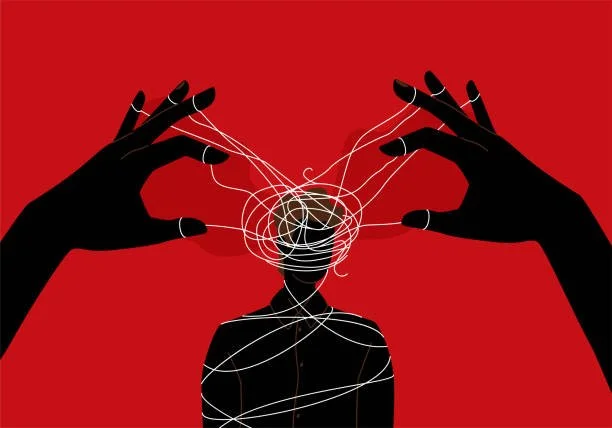
Have you ever felt that if you just loosened your grip on life, everything would fall apart? That sense of impending doom when something changes unexpectedly, when someone makes a decision without asking you, or when you cannot predict what is coming next? For many survivors of complex trauma, the need to control is not a personality flaw or a power trip. It is a survival strategy that once made perfect sense in a world that felt dangerous and unpredictable.
This need for control is not about being bossy or manipulative. It is about something much deeper. It is about a wounded inner world that learned, long ago, that the only way to feel safe is to manage everything on the outside.
In this article, we explore why control becomes so essential, the three root fears that drive it, how childhood helplessness creates this need, and most importantly, how we can begin to let go and find real freedom.
Read on to discover why control fails to deliver what it promises and what you can do to start your healing journey.
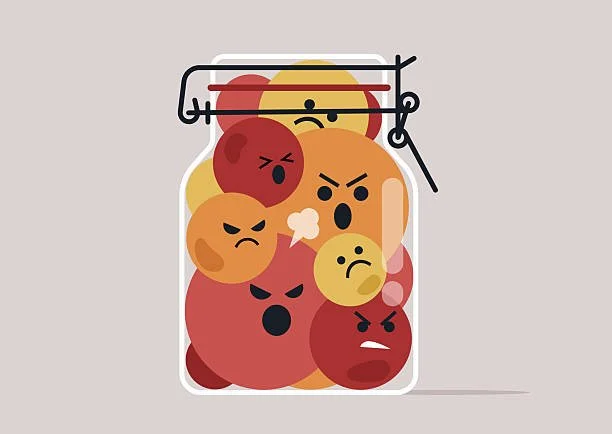
Why Survivors Swallow Their Voice and How to Let It Speak Safely
For many adult survivors of complex trauma, anger was never safe to express. So you learned to swallow it, hide it, or turn it inward. But repressed anger does not simply disappear. It can surface as chronic resentment, anxiety, control, exhaustion, illness, or overwhelming reactions that seem to come out of nowhere.
What if the anger you have spent your life trying to suppress is not a sign that something is wrong with you but a signal that something inside you needs attention?
If you have spent your life being the calm one, the people-pleaser, or the peacemaker, your repressed anger may be trying to tell you about unprocessed emotions. You did not choose the environment that taught you to repress your anger. You learned to survive it. But you also do not have to remain governed by it.
Healing begins with compassionate understanding around how your nervous system works, and gently aligning with the truth that, at its core, anger is a healthy emotion.
In this article, we explore what happens when repressed anger begins to leak, the emotions hiding beneath it, how it affects your relationships and physical health, the difference between healthy and unhealthy anger, and a practical practice to help you respond differently when anger arises.
Most importantly, we hope you come away with this truth: having anger does not make you bad. It makes you human. And learning to listen to it may be one of the most healing things you ever do.
Read the full article to understand how to let your voice speak with intention, dignity, and self-respect.
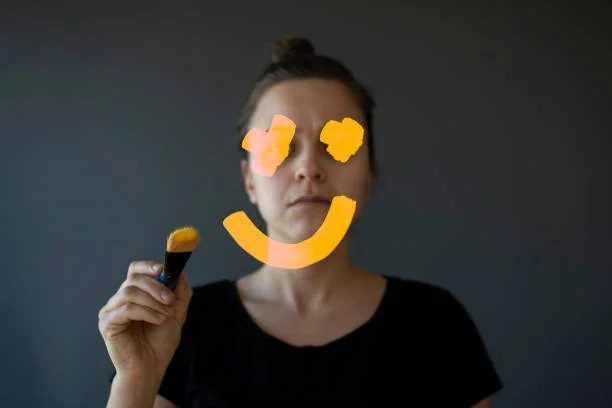
We often talk about escaping into fantasy as a way to cope with complex trauma. We explore how it provides comfort, safety, and a sense of control when the real world feels too dangerous. But what happens when that fantasy world suddenly shuts down? What happens when the escape route you have relied on for survival is no longer accessible?
This is where the real danger lies.
The loss of your fantasy world can feel like a death. It can leave you feeling empty, disconnected, and completely untethered. You might wonder who you are without your daydreams, without the internal world you built to survive.
But here is the truth: this shutdown is not a sign of failure. It is a sign that you are in transition. And within that transition lies an opportunity to build something real, something that does not require escaping.
In this article, we will explore why fantasy becomes a lifeline for those with complex trauma, what happens when that lifeline is taken away, and how you can begin to find what you have been searching for in your real life.
This is not about abandoning your inner world. It is about learning to live fully in both worlds, the internal and the external. It is about moving from escape to fulfillment.
Read on to discover how to navigate this challenging but transformative journey.

We have all drifted into a daydream. But for those of us with complex trauma, fantasy is not just a momentary escape. It is a survival adaptation, a shield we developed when we were too small and too powerless to change our painful reality. This internal sanctuary became a place where we could be powerful, loved, and safe when the outside world offered none of those things. But what happens when the refuge becomes a prison? What happens when the fantasy that once protected us now keeps us trapped in unhealthy relationships, unrealistic expectations, and a life we are afraid to fully inhabit?
In this article, we explore the hidden logic of fantasy as a survival tool, how it connects to our nervous system, and how we can begin to reclaim our lives without losing the creative power of our imagination. This is a journey from escape to presence, from survival to healing. We invite you to read to the end and discover how understanding this pattern can be the first step toward genuine freedom and connection.

Have you ever sat silently through a conflict, feeling numb and disconnected, only to explode in a rage so sudden it shocked even you? Or perhaps you have watched someone you love go from complete withdrawal to screaming fury in a matter of seconds, leaving you confused and hurt.
This sudden flip from shutdown to explosive anger is not a character flaw. It is not a sign of weakness. It is a powerful signal from a nervous system shaped by complex trauma, desperately trying to survive.
For many survivors, this experience feels shameful and confusing. It reinforces a painful belief that anger is always dangerous and must be suppressed at all costs. But what if we told you that anger itself is not the problem? What if anger is a natural, healthy response designed to protect us and repair connections, but complex trauma has hijacked this powerful emotion?
In this article, we explore the pressure cooker effect of traumatic anger. We break down the three states of your nervous system and reveal why the sudden "snap" from silence to fury happens. Most importantly, we offer a compassionate path toward healing your relationship with anger so it can serve its true purpose: protecting you and repairing what matters most.
This is your chance to understand the internal dynamics of what is going on beneath the surface. Read on to discover how you can transform your relationship with anger and begin your healing journey today.

Have you ever found yourself trying to be perfect, yet still feeling like you will never be enough? Perhaps you have a hard time believing people when they say they love you, or you constantly feel the need to earn your place in relationships. If this resonates, you are not alone. These painful beliefs often grow from seeds of shame planted long ago, in moments when you were rejected, criticized, or made to feel that your true self was simply too much or not enough.
Here is a truth worth sitting with: your protective strategies, the ways you people-please, hide, overwork, or stay silent, are not character flaws. They are brilliant survival adaptations your nervous system developed to keep you safe in an unsafe world. But these same strategies that once protected you may now be keeping you from the deep connection you long for. The shame wound that whispers "something is wrong with me" can be healed, but it requires turning inward with compassion rather than outward for validation.
In this article, we explore why these patterns formed, how complex trauma shapes your nervous system and relationships, and most importantly, how you can begin to pause, reconnect with yourself, and choose a new way forward. Healing is possible, and it starts with understanding that your worth has never depended on earning love. It has always been yours.
Read on to discover how you can move from surviving in relationships to thriving in them, one compassionate step at a time.
Related Evergreen Courses
If your anger feels bigger than what set it off, or you're convinced you don't have any anger at all, this course looks at why both may be true. It traces anger back to its roots in Complex Trauma, showing how a healthy alarm meant to protect love can get buried, distorted, and turned into a shield or a weapon. You'll learn to recognize the different faces anger takes and start the real work of understanding what's stored underneath.
If you understand your anger but still find yourself blindsided when it flares, this course picks up where insight leaves off. It walks through what actually happens in the seconds after a trigger fires, and gives you practical tools for pausing, grounding, and figuring out what a reaction is really about before you act on it. You'll learn to catch rising tension early and build a plan for the moments that used to catch you off guard.
If you've lost confidence in your own memory, feelings, or judgment and can't explain why, this course looks at gaslighting, a slow psychological pattern that leaves no visible marks. You'll learn to recognize the tactics behind it and the specific vulnerabilities Complex Trauma can create, along with why the self-doubt tends to get worse before it gets better. Written for the person living it, this course offers a name for what's happened and gentle, practical steps toward trusting your own mind again.
If you believe the past doesn't affect you anymore but your body seems to disagree, this course looks at what buried emotion actually does. It explains the real, physical toll of repressed feeling on the immune, hormonal, and nervous systems, and names the hidden layers of stress, like no boundaries or wearing a mask, that Complex Trauma adds on top. You'll learn practical, compassionate ways to reconnect with what was buried and start easing the load your body has been carrying.
If you often feel far away, even from your own life, this course looks at why. It explains dissociation as a protective response rooted in Complex Trauma, tracing how numbing, daydreaming, and disconnecting from the people around you once kept you safe. You'll learn to recognize your own patterns of going away and build practical, gentle ways to notice the slide and come back to presence and connection.
If you can't remember what it feels like to truly relax, this course looks at why. It explains hypervigilance as a nervous system stuck in survival mode, often from Complex Trauma, and traces how a body that learned to stay on guard struggles to rest even when the danger is long gone. You'll learn practical, body-based tools for recognizing the warning signs and gently teaching your nervous system that it's safe to slow down.
If you're the person everyone relies on to keep things easy while your own needs quietly disappear, this course looks at why. It explores fawning, the fourth trauma response after fight, flight, and freeze, and how Complex Trauma can teach a child that pleasing people is the only way to stay safe. You'll learn to recognize your own patterns of appeasing, merging, and self-erasure, and start the slow work of turning attention back toward yourself.
If closeness feels less like relief and more like risk, this course looks at why trust can be so hard to give. It traces trust issues back to their roots in Complex Trauma, including relational betrayal, gaslighting, and the lies a child can absorb about love and worth. You'll learn to recognize the stages distrust moves through and build a gradual, evidence-based way to let safe people back in.
If nothing you do ever feels good enough, this course looks at what perfectionism is often really protecting you from. It traces the pattern back to shame and Complex Trauma, showing how striving for flawless can become a prison of false guilt, comparison, and hidden struggle. You'll learn to tell perfectionism apart from healthy effort and build a gentler, more human standard to live by.
If you spend your days waiting for the other shoe to drop, even when nothing is actually wrong, this course looks at why. It traces worst-case thinking back to its roots in Complex Trauma, including fearful caregivers, unsafe homes, and cycles where calm always came right before harm. You'll learn to tell real danger apart from old alarm and build practical ways to sit with uncertainty instead of bracing against it.
If closeness always seems to come with the fear that it will end, this course looks at what may be underneath that dread. It traces the fear of abandonment back to a real wound in Complex Trauma, including early attachment injuries and the shame that says you are not enough to make someone stay. You'll learn to recognize the patterns that can push people away without meaning to, and build a steadier, more trusting way to stay connected, to others and to yourself.
If you feel like you can never fully relax because someone has to keep everything on track, this course looks at what usually sits underneath that drive. It traces the need for control back to its roots in Complex Trauma, including shame, broken trust, and old fear, and shows why managing the outside world so rarely calms what is happening inside. You'll come away with a clearer understanding of the pattern and practical ways to build trust and inner steadiness in its place.
Complex Trauma is often shaped as much by what was missing as by what happened. This course explores grief connected to unmet needs, lost childhood, disrupted attachment, hidden parts of yourself, and years spent surviving. You’ll learn how these losses continue to affect relationships, identity, emotions, and recovery, while developing a healthier understanding of grief, healing, and self-compassion.
Small moments can feel overwhelming when they activate old shame wounds. This course explores how Complex Trauma shapes emotional triggers, shame beliefs, protective reactions, and shame spirals. You’ll learn why certain situations feel so intense, how past experiences influence present-day responses, and how greater self-awareness can help you interrupt old patterns and respond with more understanding, responsibility, and self-compassion.
If you want close relationships but find yourself hiding, people-pleasing, pulling away, or becoming defensive when things feel vulnerable, this course will help you understand why. You’ll learn how shame shapes intimacy, boundaries, conflict, emotional honesty, and the fear of being fully known, so you can begin building connection without abandoning yourself.
If you've ever thought, "Nothing that bad happened, so why do I struggle the way I do?" this course may help you make sense of that question. Childhood Emotional Neglect explores how growing up without enough emotional connection, validation, comfort, or attunement can shape self-worth, relationships, emotional awareness, and the ability to trust your own needs. You'll learn why emotional neglect is often difficult to recognize, how it continues to affect adult life, and what healing can look like when you begin understanding the trauma no one saw.

If emotions feel overwhelming, confusing, numb, or hard to trust, this course will help you understand why. You’ll learn how Complex Trauma shapes the emotional system, why certain emotions become difficult to handle, and how to begin noticing what your emotions may actually be trying to communicate.
If you struggle to know what you feel, go blank emotionally, stay stuck in your head, or feel numb and disconnected from yourself, this course will help you understand why. You’ll learn how Complex Trauma can shape emotional shutdown, emotional numbness, overthinking, and disconnection, and why reconnecting with emotions often has to begin slowly and safely.
If emotions tend to escalate quickly, leave you overwhelmed, or create problems in relationships, this course will help you build practical emotional skills. You’ll learn how Complex Trauma affects emotional regulation, triggers, shutdown, conflict, and emotional reactions, along with concrete tools for grounding, self-awareness, communication, boundaries, repair, and healthier emotional responses.

If emotions feel overwhelming, confusing, exhausting, or hard to trust, this course will help you understand why. You’ll learn how Complex Trauma shapes anger, guilt, fear, anxiety, grief, and hope, and how emotions often point toward needs, boundaries, safety, loss, and connection rather than simply being problems to get rid of.