



BLOG: EXPLORE MORE COMPLEX TRAUMA TOPICS
Deepen your understanding with these articles on key aspects of complex trauma learning and recovery.

Complex Trauma and the Nervous System: What Each Trauma State Does to Your Relationships
Have you ever wanted to truly connect with someone, to listen deeply and feel close, only to find yourself shutting down, snapping, or going numb? You are not broken. And you are not a bad partner, friend, or parent. You are likely in a survival state, a nervous system response that was wired by complex trauma to protect you, not to punish you.
Here is what we have learned: you can only genuinely connect with others, feel self-compassion, repair a ruptured relationship, or experience real contentment when you are in your ventral vagal state, the place of safety and connection. The other states, sympathetic (fight or flight) and dorsal vagal (freeze and dissociation), literally make those things impossible. Not difficult. Impossible. And that changes everything.
The full article walks you through each of these trauma states with practical examples, helping you recognize exactly what you are capable of in each one and, most importantly, how to return to the state where healing and love actually live. If you have ever blamed yourself for being unable to feel joy, stick with recovery, or be present with the people you love, this is the compassion you have been waiting for.
Read to the end. Your nervous system is not your enemy, it is your survivor. And it can learn a new way.

Cyberstalking and Complex Trauma: Why You Can’t Just Ignore It
Every time your phone buzzes, your stomach drops. Another text, another fake post, another friend asking why your ex just shared something humiliating. You feel angry, then ashamed of being angry, then exhausted. You have tried blocking them, but they keep coming back. You have told the police, but nothing changes. And when you have a history of complex trauma, cyberstalking does not just annoy you. It reopens old wounds, keeps your nervous system locked in survival mode, and makes you feel like you are losing your mind.
We wrote this article because too many people have been told to just ignore it or get off social media. But complex trauma does not work that way. You cannot ignore a threat that feels like it is everywhere. In the full post, we walk you through what cyberstalking actually does to a traumatized nervous system, why being disbelieved hurts so deeply, and what practical, compassionate steps can help you start healing. Read until the end. You deserve to understand what is happening to you, and you deserve a way forward.

Weaponized Therapy Speak and Complex Trauma: They Learned the Language, Not the Change
They speak the language of healing, but nothing changes. Boundaries become weapons. Self-care becomes an excuse. And complex trauma survivors end up more confused than ever. We wrote this to help you spot the difference between real growth and a performance.
Read to the end, because the truth about weaponized therapy speak might finally set you free.

Complex Trauma and the Nervous System: A Gentle Starting Point for Understanding Your Body’s Survival Blueprint
What if the reason you feel anxious, exhausted, or stuck in negative thinking is not because you are broken, but because your nervous system learned a survival blueprint long ago that no longer fits your life today? In this article, we break down the three nervous system states, the fawn response unique to complex trauma, and why your brain tells you stories that feel true but are actually driven by fear. Read to the end to discover a simple, compassionate practice that can begin to shift everything.

Restore your soul after trauma and create sustainable peace for your future by reparenting your younger self
There is a chasm in the souls of most who grew up in complex trauma. A space where foundational needs were never met, not because you were broken, but because no one taught you how. You learned to survive, to please, to shut down, to strive. But survival is not the same as being alive. Healing is possible, and it begins with one courageous act: reparenting your younger self. This article walks you through twelve basic needs you can learn to meet within yourself, starting today. Read to the end. The shift you have been waiting for is closer than you think.

The Complex Trauma Recovery Wake-Up Call Most People Need: Why Your Brain Fights the Very Change That Could Heal You
You want to heal. You have read the books, tried the therapy, searched for answers. But when good advice comes, something inside you makes excuses. Not because you are lazy, but because complex trauma has wired your brain to fear the very change that could save you.
Growth requires change. Every change, even a positive one, triggers old fears. Fear of the unknown. Fear of failure. Fear of losing control. For many people, that fear overpowers the desire to get better. So they stay stuck, jumping from program to program, blaming themselves or others, never understanding why real healing feels impossible.
There are three approaches to complex trauma recovery. Two of them will never work, yet most people take them. The third is the only true path, but it is also the hardest for a traumatized brain to accept.
We wrote this article to give you the wake-up call you have been missing. Not to shame you, but to free you. Read to the end. What you learn might finally explain why you keep getting in your own way, and what you can do about it.

The Weight of Silence: How Complex Trauma Steals Your Voice (And How to Find It Again)
Silence is almost never just silence for someone with complex trauma. You crave it because your nervous system desperately needs rest. But the moment quiet arrives, old alarms go off. Something bad is about to happen. You are being abandoned. You are invisible. So you fill the void with noise, with people pleasing, with constant distraction. That push and pull, wanting silence but fearing it, is a double bind that many survivors know all too well. In this article, we explore why silence meant danger in your past, how those survival adaptations still show up today, and most importantly, gentle, practical steps to retrain your nervous system so silence can finally mean peace. Read to the end for tools you can start using today. Your quiet, safe mind is waiting.

Healing From Fawning and Complex Trauma: The Double Bind No One Prepares You For
We thought healing from fawning would feel like freedom. Instead, it felt like betrayal. Every time we tried to set a boundary, express healthy anger, or show up authentically, our whole body screamed that we were doing something wrong. That is the double bind no one prepares you for. And if we turn away now, we stay trapped. But if we lean in, everything changes. Read to the end, because the other side of this fear is where we finally learn to breathe.

Complex Trauma and Fawning: What Healing From "Unfawning" Actually Looks Like
Healing from fawning in complex trauma is not about never pleasing anyone again. It is about learning to regulate your own nervous system without using others as a middleman, grieving the losses you have avoided for years, and finally reparenting yourself. Most people stop at tools and techniques, but real unfawning requires going deeper. Read to the end to understand why your fawn response was a protector, not a weakness, and how you can begin to choose yourself without shame.
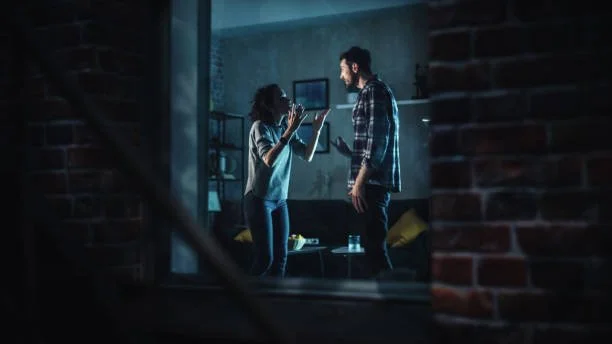
30 Fallacies That Keep You Trapped in Toxic Relationships: How Complex Trauma Distorts Your Logic and Binds You to What Hurts
You have been in arguments that left your head spinning. A narcissist in your face, a gaslighter twisting your words, or a family member who sounds reasonable on the surface but somehow makes you doubt your own reality. What if we told you that most of those arguments rely on 30 specific logical fallacies, and once you learn to see them, you can stop the confusion and take back your peace? Read to the end, because by the time you finish this article, you will never listen to a toxic argument the same way again.

7 Messages Your Wounded Inner Child Needed to Hear, Reparenting After Complex Trauma
What if the most important words you never heard as a child could finally be spoken, by you, to you?
For survivors of complex trauma, the deepest wound is often not what happened, but what did not happen: the reassuring voice, the steady presence, the unconditional love that should have been there. That missing voice becomes an inner critic, a shame spiral, a relentless need to please.
But here is the truth no one told you: you can become that voice now.
In this article, we walk through seven specific messages your wounded inner child needed to hear, messages about safety, shame, emotional validation, belonging, and boundaries. Each one is a tool for reparenting after complex trauma. And each one can begin to rewire how you see yourself.
Do not stop at the first message. Read to the end. Because the final message, the one about boundaries and self-protection, may be the one that changes everything for you.

Complex Trauma and the Fawning Response: How to Give Yourself Permission to Take Up Space
You learned to shrink. To monitor every mood, to suppress every need, to make yourself so small that maybe, just maybe, you wouldn’t be a burden. That wasn’t weakness. That was survival. But complex trauma’s fawning response came with a hidden cost: you lost permission to exist.
What if you could give that permission back to yourself? Not by demolishing your old coping strategies with shame, but by starting with something gentler. Something that feels almost too simple. Learning to pause. To notice your own body. To take up fifteen minutes of space without guilt.
This is not selfish. This is healing. And it begins with a single, quiet question: what do I need right now?
Read to the end. We will show you how to start.

When Getting Older Triggers Everything: Complex Trauma, Aging, and the Hidden Pain You Weren't Prepared For
Why does getting older feel like every old wound is reopening? For those of us with complex trauma, aging isn't just about wrinkles or retirement. It is a profound emotional earthquake. Every loss, every new limitation, every ache, they don't just hurt. They trigger the unmet needs we have carried since childhood.
We live in a culture that worships youth and productivity. But what happens when our body changes, our mind slows, and the ways we used to prove our worth begin to disappear? The answer might surprise us. And so might the hope.
This article walks us through the hidden pain of aging with complex trauma, why it hits so deeply, and what we can actually do about it. We also look at caring for aging parents who never healed. Read to the end. There is a way to age well, and it starts here.

Generosity or Fawning? How Complex Trauma Blurs the Line
Do you feel anxious when someone might be disappointed by your gift? Do you feel relief after paying for others, even when it hurts you financially? Many people confuse healthy generosity with a trauma-driven response called fawning. Using money to buy safety, approval, or love is a common but hidden symptom of complex trauma. This article reveals the difference between giving from a full cup and giving from an empty one, and it offers a path toward healing. Keep reading to the end. The clarity you find might change how you see yourself and your money.

Why Beauty and Awe Are Not Optional for Complex Trauma Recovery
Something in you is drawn to beauty. Something longs for awe. But if you grew up with complex trauma, you may have learned to ignore that pull. Survival mode has no room for sunsets. Fear became your only sense of wonder.
This article uncovers why beauty and awe are not luxuries for the healed, but essential medicine for the healing. And it offers a practical, gentle path to reclaiming both. Read to the end. The shift you need might begin with just ten minutes of something beautiful.
How to Socialize After Complex Trauma Without Fawning | Tim Fletcher
If you have complex trauma, the thought of walking into a room full of people can feel like stepping onto a battlefield you never agreed to fight. You may have survived by fawning, people‑pleasing your way through every interaction, only to realize you disappeared in the process. Or perhaps you withdrew entirely, and now even the idea of small talk sends your nervous system into high alert. Socializing after complex trauma does not have to mean losing yourself again. There is a way to show up authentically, stay safe, and slowly rebuild the capacity for genuine connection. Read on to discover practical tools that can help you navigate social spaces without fawning, isolating, or abandoning who you are.

When Survival Strategies Masquerade as Strengths: How Complex Trauma Hides Behind Your “Best” Qualities
What if the qualities you are most proud of, being the logical one, the empath, the one who never needs help, are not strengths at all, but survival strategies born from complex trauma and shame? For so many of us, these adaptations kept us safe in an unsafe world. But they also kept us hidden.
In this article, we gently explore how to recognize these “positive spins” on old wounds, and how to begin dismantling the fear beneath. If you have ever felt exhausted by your own “strengths,” this one is for you. Read to the end for a compassionate path toward reclaiming your true self.

Sex, Fawning, and Complex Trauma: When Your Body Becomes Currency
You smile, you give, you perform. On the outside, you are the one who keeps everyone happy. But underneath the people-pleasing, there is something you rarely let yourself feel: anger.
If you have complex trauma, you may have learned that sex is the currency you must pay to be loved, to feel safe, or to matter at all. This is the hidden world of fawning, the least understood trauma response, and it may be shaping your intimacy more than you realize.
In this article, we uncover the link between sex, fawning, and complex trauma, and show you why healing the shame beneath it is the only way to reclaim your body and your voice. Read to the end to discover the path out of the performance and into authentic connection.

The Betrayal of the Self: Understanding the Hidden Anger in Fawning and Complex Trauma
If you have spent years being the one who keeps the peace, who anticipates everyone’s needs, who is described as “so easy to get along with,” you may have noticed something simmering beneath the surface. It might show up as exhaustion, a vague sense of resentment, or flashes of anger toward the very people you bend over backward to please. That anger can feel confusing, even shameful, because after all, you are the person who is supposed to be understanding and selfless.
What if that hidden anger is not a sign that you are failing, but a signal that a deeply ingrained survival strategy is finally asking to be seen?
In this article, we explore the least understood trauma response, fawning, and why it so often hides a reservoir of rage built over a lifetime of self‑abandonment. We look at the hunger for validation that keeps you stuck, why conflict feels terrifying, and how the very people‑pleasing that once kept you safe now blocks you from true connection. Most importantly, we offer a compassionate path toward healing, one that honors the anger without letting it consume you.
Read to the end to understand the hidden anger inside people‑pleasing and take the first step toward reclaiming your authentic self.

6 Signs You’re Avoiding Your Real Purpose: How Complex Trauma Keeps You Stuck in Survival Mode
You have a deep sense that your life is meant to matter, yet something keeps pulling you back into survival mode. You start projects with passion, only to abandon them when the excitement fades. You dream of helping others, but the fear of being seen as a fraud keeps you frozen. These are not character flaws. They are the signature of complex trauma, the survival adaptations that once protected you but now stand between you and your purpose.
In this article, we explore six signs you may be avoiding your real purpose and offer a compassionate roadmap for breaking free. Read to the end to discover how to move from surviving to truly thriving.