

What Your Eyes Can Reveal About Complex Trauma
Have you ever looked into someone’s eyes and thought, “There’s something off…”? Maybe you couldn’t pinpoint it, but there was a feeling — a disconnect, or perhaps even a sense of fear. If you’ve experienced complex trauma or know someone who has, you might have noticed how deeply trauma can show up in the eyes. The eyes are often said to be the window to the soul, and when it comes to complex trauma, that saying couldn’t be more true.
Our eyes don’t just reflect our emotional state — they also reveal how we’ve processed, or failed to process, the deep emotional wounds that trauma has left. Let’s dive into some of the ways that complex trauma might manifest in your eyes, and what it all means. It’s a lot more than just “tired eyes.”
1. The Struggle with Eye Contact
One of the most common signs of complex trauma is trouble making or maintaining eye contact. Have you ever met someone who avoids looking directly at you, or when they do, their gaze darts away quickly? This isn’t just shyness — it’s often a deeply ingrained reaction from trauma.
Children with complex trauma often learn early on to avoid eye contact. Why? Because, for them, looking into someone’s eyes can feel like exposing themselves too much. They might be afraid of seeing rejection, anger, or indifference in your gaze — reminding them of past emotional wounds. Alternatively, they might avoid making eye contact because they fear you’ll see the pain, hurt, or fear in their own eyes. It’s a defense mechanism that carries through into adulthood.
2. The Distant, Unavailable Gaze
Have you ever been in a conversation with someone, and it felt like they were there, but not really there? You’re talking to them, but their eyes are glazed over, distant, almost as if they’re looking right through you. This kind of “blank” look is a common sign of emotional disconnection that comes with complex trauma.
People who have experienced childhood neglect or abuse often develop this “distant” look as a way to emotionally protect themselves. Their eyes may focus on you, but there’s no real engagement. It’s as if they’ve learned to withdraw into themselves as a means of coping with overwhelming emotions.
3. The Catatonic Stare: A Blank Space
This one can be unsettling, especially if you’ve ever experienced it yourself or seen it in others. The catatonic stare is a symptom of emotional shutdown. Imagine someone staring at you, but their eyes look unfocused, disconnected, and empty. It’s a state where they appear physically present but emotionally and mentally checked out.
This blank stare often happens when someone is overwhelmed by the flood of memories and emotions triggered by trauma. It’s like their brain can’t process it all, so they dissociate. The person may seem “zoned out,” as though they’re trying to escape their own thoughts. Sound familiar? It’s a real-world experience for many living with complex trauma.
4. Hypervigilant, Predatory Eyes
Now, not all eye contact from trauma survivors is about avoidance. Some people, especially those with severe trauma, engage in hypervigilant eye contact. Have you ever met someone who stares too intently at you, making you feel uncomfortable? It’s as if they’re scanning you, watching your every move, looking for a sign of danger. This constant “studying” of you is a sign of hypervigilance.
For someone with complex trauma, especially from abusive or neglectful situations, their nervous system is constantly on high alert. They are always scanning their environment for potential threats. This can make their gaze feel intense, or even predatory. They’re not connecting — they’re assessing. And it can be unsettling when it happens. It’s not just a person looking at you; it’s someone searching for danger in your eyes.
5. The Aging Effect: Eyes That Show Trauma’s Impact
Here’s something interesting: researchers have found that trauma often affects the physical appearance of the eyes.People with a history of childhood trauma tend to develop physical traits around the eyes that are different from those who haven’t experienced such deep emotional wounds.
For instance, the skin around their eyes might appear more sunken or tense, a reflection of years of emotional stress and withdrawal. It’s not just the emotional toll — it’s the physical one, too. If you’ve ever looked at someone and noticed that their eyes seemed “older” than their years, trauma could very well be the reason.
6. How Safe Do You Feel? Your Eyes Will Tell You
Here’s something truly fascinating: our eyes can give us a glimpse into how safe we feel. When you look into someone’s eyes, you can often sense whether they feel connected, regulated, or grounded. Eyes that are calm, open, and soft are a sign of someone who feels secure. Eyes that are tense, darting, or full of fear? That person likely feels unsafe or disconnected from the world around them.
Think about the last time you looked into someone’s eyes and saw fear or guardedness. Maybe it was someone who had difficulty trusting, or maybe it was someone who seemed on edge. This is often the result of complex trauma — an inability to feel safe because their nervous system is always in fight-or-flight mode. Their eyes are simply reflecting their inner turmoil.
7. Signs of Nervous System Dysregulation in the Eyes
Complex trauma can deeply disrupt the nervous system. The result? Eyes that don’t look “normal.” Have you noticed someone with wide-open eyes, as if they were constantly scanning for danger? Or perhaps their eyes are squinting or twitching? These are signs of a dysregulated nervous system.
Some individuals may develop what’s known as a “bug-eyed” look, where their eyes look larger than usual. This can happen when the body is under constant stress, attempting to see and react to danger as quickly as possible. It’s your brain in hyperdrive, constantly on the lookout. And it shows in the eyes.
For others, the eyes might dart around quickly, looking from side to side, unable to focus. This is another symptom of the stress response. Eyes that are constantly shifting, unable to hold still, indicate a person who is on high alert.
8. Eye Ticks: Little Signs of Big Stress
Another interesting sign of trauma’s toll on the eyes? Eye ticks or spasms. These little movements — like blinking more frequently or looking in one direction for too long — are often a result of high stress. When someone’s nervous system is in constant overload, their body starts to show it. The eyes are one of the first places this shows up.
These small involuntary eye movements may seem trivial, but they’re actually a clue to deeper emotional distress. If you’ve ever had a conversation with someone whose eyes were darting around or blinking excessively, it could be their body’s way of managing overwhelming stress that’s caused by trauma.
Eyes Don’t Lie — They Tell a Story
Our eyes are more than just windows to our soul — they’re also a mirror reflecting the emotional and physical toll of complex trauma. Whether it’s the avoidance of eye contact, the glazed-over stare, or the intense, hypervigilant gaze, the eyes have a lot to say about the state of someone’s nervous system.
If you’re someone who’s lived with complex trauma, recognizing these signs in your own eyes (or in others) can be incredibly validating. It shows you’re not alone in what you’re feeling — and that your eyes, while revealing, don’t have to define your healing journey. And if you’re supporting someone with trauma, understanding the signs in their eyes can help you approach them with more empathy and care.
Want to learn more about complex trauma and how it affects our lives? Tim Fletcher’s Complex Trauma course offers a deep dive into understanding the psychological and emotional aspects of trauma, and how it impacts our bodies and minds.
If you’re looking for more tools to help navigate the healing process, check out Relink: A Guide to Navigating Complex Trauma — the comprehensive book that will give you practical strategies for overcoming trauma and rebuilding your life.
Read More

We often think of healing from complex trauma as something we do alone. We read books. We watch videos. We try to understand our symptoms. We work on ourselves. And while all of that matters, there is a deeper layer of healing that cannot happen in isolation.
Complex trauma is relationship trauma. It happened in connection with others, often in environments where our needs for safety, love, and belonging were not met. Because connection was damaged or broken in the past, connection must now become part of the healing journey. We cannot just be self-sufficient. We cannot just do it all on our own.
But what if the thought of connecting with others fills you with dread? What if your nervous system screams danger every time you consider letting someone in?
There is a profound metaphor from nature that can change how we see this struggle. It reveals why we need connection to heal, why it feels so terrifying, and how we can begin to build a web of support even when we are afraid. This metaphor offers a path forward for anyone who has ever felt trapped between the desperate need for belonging and the paralyzing fear of being truly seen.
If you have ever wondered why connection feels so dangerous or how to take the first step when you are frozen by fear, this article is for you. Keep reading to discover how the forest can teach us to heal.

Office politics can feel like a minefield for anyone. But for those of us with a history of complex trauma, the workplace is not just a place of deadlines and meetings. It is a stage where old wounds are triggered and survival patterns from childhood are re-enacted. The fear of authority, the compulsion to overpromise, the terror of failure, and the panic that comes with change are not signs of weakness. They are the echoes of a past where being authentic was not safe. This article explores how these patterns show up at work and what it takes to heal them. We invite you to read to the end because understanding why you react the way you do is the first step toward breaking free.

Picture this. You are drowning in work. Deadlines are everywhere. The answer is simple. Ask a colleague for help. But a voice inside screams the opposite.
"Don't. You will be a burden. They will think you are incompetent."
If this feels painfully familiar, you are not alone. This is not weakness. This is the echo of complex trauma.
For millions of people, asking for help triggers a deep fear that feels impossible to overcome. It is wired into your nervous system. It is a survival adaptation that once kept you safe.
But it no longer serves you.
In this article, we explore why asking for help feels like danger. We look at the roots of hyper-independence. We uncover the disguised trauma responses that show up at work. And most importantly, we offer a path forward.
Healing is possible. It starts with understanding.
Read the full article to discover how to break free from the fear of asking for help and begin your healing journey.

Have you ever found yourself asking, "Why do I keep choosing people who hurt me?" or "Why does healthy love feel so foreign and uncomfortable?"
If you grew up with chaos, rejection, or emotional distance, your nervous system learned to recognize those patterns as normal. What feels familiar often feels like safety, even when it is not. This is not a flaw in you. It is an adaptation that once protected you and may now be creating distance where you long for connection.
The path to lasting love does not begin with finding the right partner. It begins with understanding why you are drawn to what you know, learning what real safety looks like, and becoming a safe person yourself. This is not about perfection. It is about awareness, intention, and the courage to choose differently.
Healing is possible. Healthy relationships are possible. And you do not have to figure it out alone.
Read on to discover what makes a person truly safe, how to recognize unhealthy patterns, and practical steps to build the lasting love you deserve.

You arrive early, stay late, and never miss a deadline. You anticipate needs before they are voiced, absorb extra work without complaint, and your performance reviews are glowing. You are the perfect employee. The dependable backbone of your team.
But what if that perfection isn't a strength, but a survival strategy? What if the very traits that make you an ideal worker are quietly burning you out, isolating you from real connection, and eroding your sense of self?
For many people with complex trauma, the drive to be flawless at work is not ambition. It is fear. Fear of being seen as unworthy. Fear of rejection. Fear that if you stop performing, you will lose everything.
This relentless pursuit of perfection is a mask. And behind that mask, exhaustion, resentment, and emptiness are building.
If this resonates with you, we invite you to read on. This article will help you understand why you feel this way, name the hidden patterns driving your behavior, and offer a path toward becoming a healthy employee, not just a perfect one. Because you deserve to work without losing yourself in the process.
Read the full article to discover how to break free from the perfect employee trap and reclaim your life.
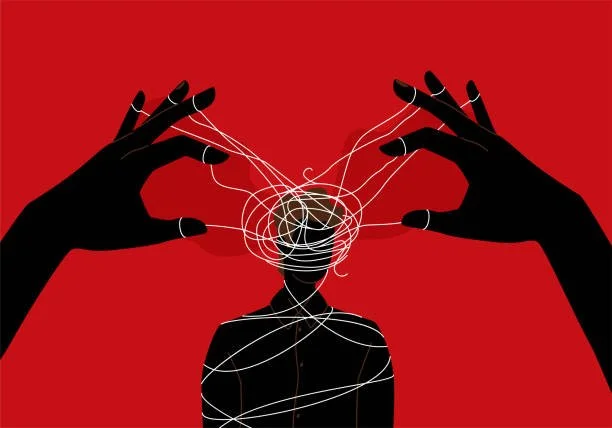
Have you ever felt that if you just loosened your grip on life, everything would fall apart? That sense of impending doom when something changes unexpectedly, when someone makes a decision without asking you, or when you cannot predict what is coming next? For many survivors of complex trauma, the need to control is not a personality flaw or a power trip. It is a survival strategy that once made perfect sense in a world that felt dangerous and unpredictable.
This need for control is not about being bossy or manipulative. It is about something much deeper. It is about a wounded inner world that learned, long ago, that the only way to feel safe is to manage everything on the outside.
In this article, we explore why control becomes so essential, the three root fears that drive it, how childhood helplessness creates this need, and most importantly, how we can begin to let go and find real freedom.
Read on to discover why control fails to deliver what it promises and what you can do to start your healing journey.
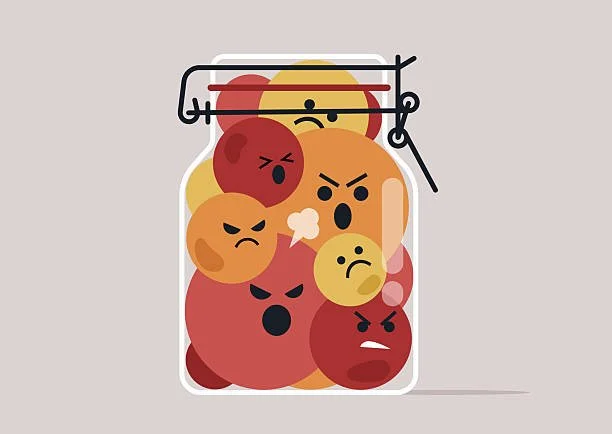
Why Survivors Swallow Their Voice and How to Let It Speak Safely
For many adult survivors of complex trauma, anger was never safe to express. So you learned to swallow it, hide it, or turn it inward. But repressed anger does not simply disappear. It can surface as chronic resentment, anxiety, control, exhaustion, illness, or overwhelming reactions that seem to come out of nowhere.
What if the anger you have spent your life trying to suppress is not a sign that something is wrong with you but a signal that something inside you needs attention?
If you have spent your life being the calm one, the people-pleaser, or the peacemaker, your repressed anger may be trying to tell you about unprocessed emotions. You did not choose the environment that taught you to repress your anger. You learned to survive it. But you also do not have to remain governed by it.
Healing begins with compassionate understanding around how your nervous system works, and gently aligning with the truth that, at its core, anger is a healthy emotion.
In this article, we explore what happens when repressed anger begins to leak, the emotions hiding beneath it, how it affects your relationships and physical health, the difference between healthy and unhealthy anger, and a practical practice to help you respond differently when anger arises.
Most importantly, we hope you come away with this truth: having anger does not make you bad. It makes you human. And learning to listen to it may be one of the most healing things you ever do.
Read the full article to understand how to let your voice speak with intention, dignity, and self-respect.
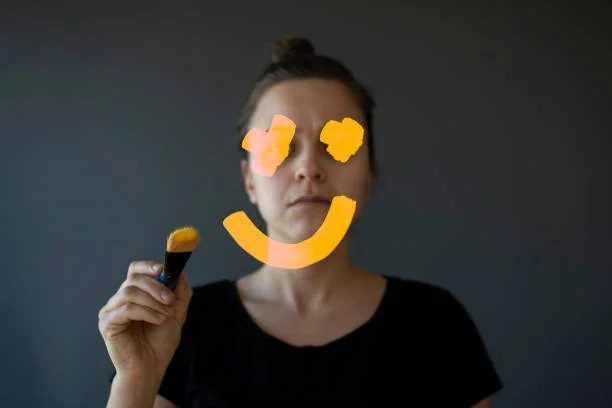
We often talk about escaping into fantasy as a way to cope with complex trauma. We explore how it provides comfort, safety, and a sense of control when the real world feels too dangerous. But what happens when that fantasy world suddenly shuts down? What happens when the escape route you have relied on for survival is no longer accessible?
This is where the real danger lies.
The loss of your fantasy world can feel like a death. It can leave you feeling empty, disconnected, and completely untethered. You might wonder who you are without your daydreams, without the internal world you built to survive.
But here is the truth: this shutdown is not a sign of failure. It is a sign that you are in transition. And within that transition lies an opportunity to build something real, something that does not require escaping.
In this article, we will explore why fantasy becomes a lifeline for those with complex trauma, what happens when that lifeline is taken away, and how you can begin to find what you have been searching for in your real life.
This is not about abandoning your inner world. It is about learning to live fully in both worlds, the internal and the external. It is about moving from escape to fulfillment.
Read on to discover how to navigate this challenging but transformative journey.

We have all drifted into a daydream. But for those of us with complex trauma, fantasy is not just a momentary escape. It is a survival adaptation, a shield we developed when we were too small and too powerless to change our painful reality. This internal sanctuary became a place where we could be powerful, loved, and safe when the outside world offered none of those things. But what happens when the refuge becomes a prison? What happens when the fantasy that once protected us now keeps us trapped in unhealthy relationships, unrealistic expectations, and a life we are afraid to fully inhabit?
In this article, we explore the hidden logic of fantasy as a survival tool, how it connects to our nervous system, and how we can begin to reclaim our lives without losing the creative power of our imagination. This is a journey from escape to presence, from survival to healing. We invite you to read to the end and discover how understanding this pattern can be the first step toward genuine freedom and connection.

Have you ever sat silently through a conflict, feeling numb and disconnected, only to explode in a rage so sudden it shocked even you? Or perhaps you have watched someone you love go from complete withdrawal to screaming fury in a matter of seconds, leaving you confused and hurt.
This sudden flip from shutdown to explosive anger is not a character flaw. It is not a sign of weakness. It is a powerful signal from a nervous system shaped by complex trauma, desperately trying to survive.
For many survivors, this experience feels shameful and confusing. It reinforces a painful belief that anger is always dangerous and must be suppressed at all costs. But what if we told you that anger itself is not the problem? What if anger is a natural, healthy response designed to protect us and repair connections, but complex trauma has hijacked this powerful emotion?
In this article, we explore the pressure cooker effect of traumatic anger. We break down the three states of your nervous system and reveal why the sudden "snap" from silence to fury happens. Most importantly, we offer a compassionate path toward healing your relationship with anger so it can serve its true purpose: protecting you and repairing what matters most.
This is your chance to understand the internal dynamics of what is going on beneath the surface. Read on to discover how you can transform your relationship with anger and begin your healing journey today.

Have you ever found yourself trying to be perfect, yet still feeling like you will never be enough? Perhaps you have a hard time believing people when they say they love you, or you constantly feel the need to earn your place in relationships. If this resonates, you are not alone. These painful beliefs often grow from seeds of shame planted long ago, in moments when you were rejected, criticized, or made to feel that your true self was simply too much or not enough.
Here is a truth worth sitting with: your protective strategies, the ways you people-please, hide, overwork, or stay silent, are not character flaws. They are brilliant survival adaptations your nervous system developed to keep you safe in an unsafe world. But these same strategies that once protected you may now be keeping you from the deep connection you long for. The shame wound that whispers "something is wrong with me" can be healed, but it requires turning inward with compassion rather than outward for validation.
In this article, we explore why these patterns formed, how complex trauma shapes your nervous system and relationships, and most importantly, how you can begin to pause, reconnect with yourself, and choose a new way forward. Healing is possible, and it starts with understanding that your worth has never depended on earning love. It has always been yours.
Read on to discover how you can move from surviving in relationships to thriving in them, one compassionate step at a time.

Have you ever felt like you are trying to sprint through quicksand? You are pushing so hard, wanting to be free from the weight of your past, yet the progress feels painfully slow. We know this frustration intimately. We have sat with the exhaustion of complex trauma recovery and the desperate search for a quick fix.
But what if the process isn't about speed? What if healing complex trauma is more like tending a fragile seed in a harsh climate or a lump of clay being reshaped by fire? These powerful metaphors reveal why the journey feels so difficult and why the pain and patience are not signs of failure, but essential parts of your transformation.
We invite you to read on to discover how the farmer and the potter can change your perspective on your healing journey. This may be the shift in understanding you have been looking for.
Read the Full Article

How to Start the Complex Trauma Healing Process
The question haunts so many. How do I even begin?
If you are reading this, you may already have some awareness of complex trauma. You might be struggling with relationships, afraid to trust, or stuck in cycles of people-pleasing and burnout. Wherever you are, know this. You are not broken. You are a person waiting to be understood.
The first step is to start where you are. Many people begin recovery angry at themselves for waiting so long or for the damage done. While understandable, this anger is often not a good place to start.
Healing from complex trauma is a skill, much like learning to walk or ride a bike. To truly succeed, you need four key components. The academic element, support, practice and experience, and developing the right attitude.
What does a healthy relationship look like? Why do we stay in unhealthy ones? How can we regulate our nervous system? What does reparenting yourself actually mean?
We answer all of these questions and more in the full article. We explore the connection between complex trauma and relationships, the role of the nervous system in healing, and the common myths that keep people stuck. We also provide practical steps you can take today.
Your healing is possible. It begins here.

If you have ever found yourself second-guessing every decision, apologizing for opinions you have not even fully expressed, or seeking constant validation because your internal compass feels broken, you are not alone. For those with complex trauma, this is not occasional self-doubt. It is a fundamental rupture in the relationship with yourself.
Somewhere along the way, you learned that trusting yourself was not safe.
In this article, we explore two powerful metaphors that will change how you understand self-trust after complex trauma. The baby eagle who is pushed from the nest by a mother who sees its readiness even when it cannot see it itself. And Charles Blondin, the tightrope walker who crossed Niagara Falls, revealing the gap between believing someone is trustworthy and actually getting into the wheelbarrow.
We will guide you through why self-trust breaks, the cost of living without it, and most importantly, the practical steps to begin rebuilding it. Your self-trust may be buried, but it is not gone. It is waiting for you to come home to yourself.
Read the full article below to begin your journey back to you.

Do you ever explode over something small and wonder, "Why did that upset me so much?" Or perhaps your anger turns inward, showing up as relentless self-criticism or feeling like you are "too much" for everyone.
If you have experienced complex trauma, your relationship with anger is complicated. It may feel like a force that controls you, or like an emotion you must suppress to keep relationships intact.
Here is the truth many of us do not realize: Your childhood anger never disappeared. It simply went underground, waiting for the right moment to leak out.
Some of us are not even aware of our anger because we have repressed it for so long. This is not a personal failing, it is a common byproduct of a traumatic past.
Today, we will understand why your childhood anger is leaking out in your adult life. And more importantly, we will explore how to transform this misunderstood emotion into a source of healing.
Read on to begin the compassionate journey of understanding and healing the wounds that created this hidden anger.

Have you ever reacted to something small and wondered, Why did that affect me so much? A critical comment, a disappointed look, or a moment of rejection can leave you overwhelmed with emotions that feel far bigger than the situation itself. You are not weak, broken, or too sensitive. These reactions are echoes of old wounds, protective strategies your nervous system learned long ago to help you survive.
But here is the truth: your triggers are not your fault. And you are not stuck in this pattern forever.
In this post, we will explore why past pain still affects you, how small comments or events can trigger all of it at once, and practical ways you can begin healing starting today. We will uncover how childhood experiences shape your core beliefs, why your nervous system reacts the way it does, and how you can begin reparenting yourself with compassion instead of shame.
If you have ever felt confused or ashamed of your big reactions, this is for you. Read on to discover how understanding your complex trauma can lead to greater peace, connection, and freedom. Your healing journey starts here.

For survivors of complex trauma, healing is not about forgetting the past but learning to hold it differently. The weight of a childhood spent managing adult emotions follows you into parenthood, relationships, and the quiet moments when you are alone with your thoughts.
The pressure to stay connected to toxic family members? That is trauma bonding and fear. The intrusive thoughts that feel like betrayal? They are not who you are.
This letter is for every parent and survivor wondering if freedom is possible. It is. Read to the end.

What if the parts of yourself you have spent a lifetime trying to hide, the qualities that got you punished, rejected, and told you were "too much" or "not enough," are actually your greatest strengths?
For those of us navigating the complex trauma recovery journey, this question feels almost impossible to entertain. Our entire history screams the opposite. We learned early that authenticity was dangerous, that being fully ourselves led to abandonment. We became experts at hiding our sensitivity, our depth, our capacity to feel, convinced these were fatal flaws.
But there is a powerful paradox at the heart of healing. The very things we were taught to despise, our empathy, our introversion, our emotional depth, are the key ingredients that enable healthy, intimate relationships. They are not our weaknesses. They are our superpowers.
In this article, we explore two profound metaphors that can completely reframe how you see yourself and your past. We will look at how your deepest wounds, the ones you think make you "broken," can actually become the source of your greatest strength and the light you offer to others.
Your cracks are not a sign of defect. They are where the light gets in, and where it shines out.
Read on to discover how to stop fighting yourself and start embracing the beautiful, cracked pot that you are.

Many of us who grew up with complex trauma learned a dangerous lesson early on: that our anger was unacceptable, even dangerous. So we swallowed it, buried it, and pretended it wasn't there. But anger doesn't disappear, it transforms. It becomes the sarcasm we hide behind, the irritability we can't explain, the resentment that builds toward people we love, or the self-hatred that whispers we're never good enough.
If you've ever felt like you're constantly annoyed, secretly furious, or exhausted by your own reactions, this is for you. We're going to explore why complex trauma creates hidden anger, how it shows up in your daily life, and most importantly, what you can do to finally break free from the cycle.
This isn't about becoming a person who never gets angry. It's about understanding your anger so deeply that it no longer controls you.
Read on to discover the signs you might have missed, the connection between burnout and explosive reactions, and a compassionate path toward healing. Your anger has been trying to tell you something important, and it's time to listen.
Keep reading. The most important part is yet to come.
Related Evergreen Courses
If you often feel far away, even from your own life, this course looks at why. It explains dissociation as a protective response rooted in Complex Trauma, tracing how numbing, daydreaming, and disconnecting from the people around you once kept you safe. You'll learn to recognize your own patterns of going away and build practical, gentle ways to notice the slide and come back to presence and connection.

If you can't remember what it feels like to truly relax, this course looks at why. It explains hypervigilance as a nervous system stuck in survival mode, often from Complex Trauma, and traces how a body that learned to stay on guard struggles to rest even when the danger is long gone. You'll learn practical, body-based tools for recognizing the warning signs and gently teaching your nervous system that it's safe to slow down.

If you're the person everyone relies on to keep things easy while your own needs quietly disappear, this course looks at why. It explores fawning, the fourth trauma response after fight, flight, and freeze, and how Complex Trauma can teach a child that pleasing people is the only way to stay safe. You'll learn to recognize your own patterns of appeasing, merging, and self-erasure, and start the slow work of turning attention back toward yourself.
If closeness feels less like relief and more like risk, this course looks at why trust can be so hard to give. It traces trust issues back to their roots in Complex Trauma, including relational betrayal, gaslighting, and the lies a child can absorb about love and worth. You'll learn to recognize the stages distrust moves through and build a gradual, evidence-based way to let safe people back in.
If nothing you do ever feels good enough, this course looks at what perfectionism is often really protecting you from. It traces the pattern back to shame and Complex Trauma, showing how striving for flawless can become a prison of false guilt, comparison, and hidden struggle. You'll learn to tell perfectionism apart from healthy effort and build a gentler, more human standard to live by.
If you spend your days waiting for the other shoe to drop, even when nothing is actually wrong, this course looks at why. It traces worst-case thinking back to its roots in Complex Trauma, including fearful caregivers, unsafe homes, and cycles where calm always came right before harm. You'll learn to tell real danger apart from old alarm and build practical ways to sit with uncertainty instead of bracing against it.

If closeness always seems to come with the fear that it will end, this course looks at what may be underneath that dread. It traces the fear of abandonment back to a real wound in Complex Trauma, including early attachment injuries and the shame that says you are not enough to make someone stay. You'll learn to recognize the patterns that can push people away without meaning to, and build a steadier, more trusting way to stay connected, to others and to yourself.

If you feel like you can never fully relax because someone has to keep everything on track, this course looks at what usually sits underneath that drive. It traces the need for control back to its roots in Complex Trauma, including shame, broken trust, and old fear, and shows why managing the outside world so rarely calms what is happening inside. You'll come away with a clearer understanding of the pattern and practical ways to build trust and inner steadiness in its place.
Complex Trauma is often shaped as much by what was missing as by what happened. This course explores grief connected to unmet needs, lost childhood, disrupted attachment, hidden parts of yourself, and years spent surviving. You’ll learn how these losses continue to affect relationships, identity, emotions, and recovery, while developing a healthier understanding of grief, healing, and self-compassion.

Small moments can feel overwhelming when they activate old shame wounds. This course explores how Complex Trauma shapes emotional triggers, shame beliefs, protective reactions, and shame spirals. You’ll learn why certain situations feel so intense, how past experiences influence present-day responses, and how greater self-awareness can help you interrupt old patterns and respond with more understanding, responsibility, and self-compassion.

If you want close relationships but find yourself hiding, people-pleasing, pulling away, or becoming defensive when things feel vulnerable, this course will help you understand why. You’ll learn how shame shapes intimacy, boundaries, conflict, emotional honesty, and the fear of being fully known, so you can begin building connection without abandoning yourself.
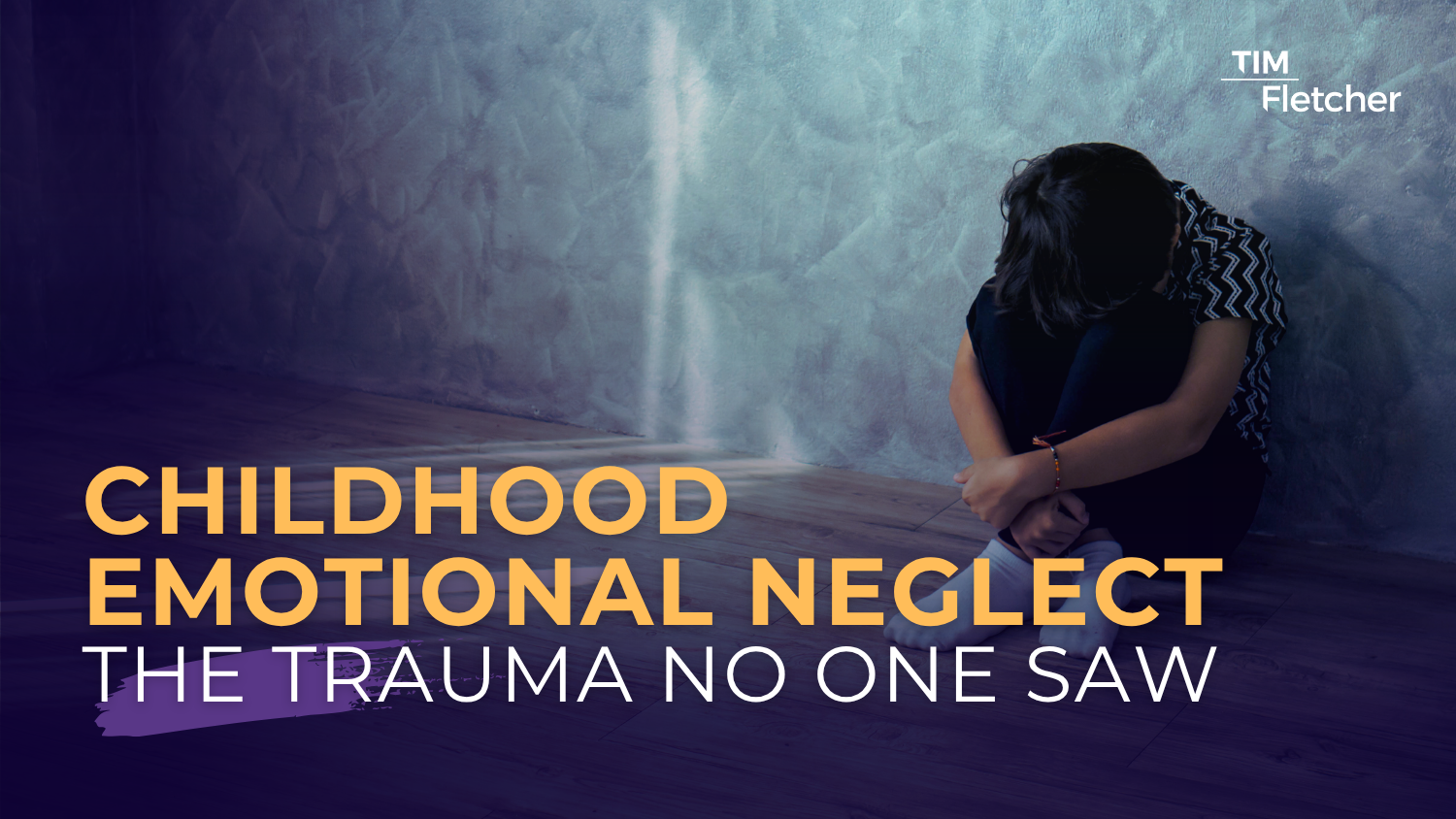
If you've ever thought, "Nothing that bad happened, so why do I struggle the way I do?" this course may help you make sense of that question. Childhood Emotional Neglect explores how growing up without enough emotional connection, validation, comfort, or attunement can shape self-worth, relationships, emotional awareness, and the ability to trust your own needs. You'll learn why emotional neglect is often difficult to recognize, how it continues to affect adult life, and what healing can look like when you begin understanding the trauma no one saw.

If emotions feel overwhelming, confusing, numb, or hard to trust, this course will help you understand why. You’ll learn how Complex Trauma shapes the emotional system, why certain emotions become difficult to handle, and how to begin noticing what your emotions may actually be trying to communicate.

If you struggle to know what you feel, go blank emotionally, stay stuck in your head, or feel numb and disconnected from yourself, this course will help you understand why. You’ll learn how Complex Trauma can shape emotional shutdown, emotional numbness, overthinking, and disconnection, and why reconnecting with emotions often has to begin slowly and safely.
If emotions tend to escalate quickly, leave you overwhelmed, or create problems in relationships, this course will help you build practical emotional skills. You’ll learn how Complex Trauma affects emotional regulation, triggers, shutdown, conflict, and emotional reactions, along with concrete tools for grounding, self-awareness, communication, boundaries, repair, and healthier emotional responses.

If emotions feel overwhelming, confusing, exhausting, or hard to trust, this course will help you understand why. You’ll learn how Complex Trauma shapes anger, guilt, fear, anxiety, grief, and hope, and how emotions often point toward needs, boundaries, safety, loss, and connection rather than simply being problems to get rid of.
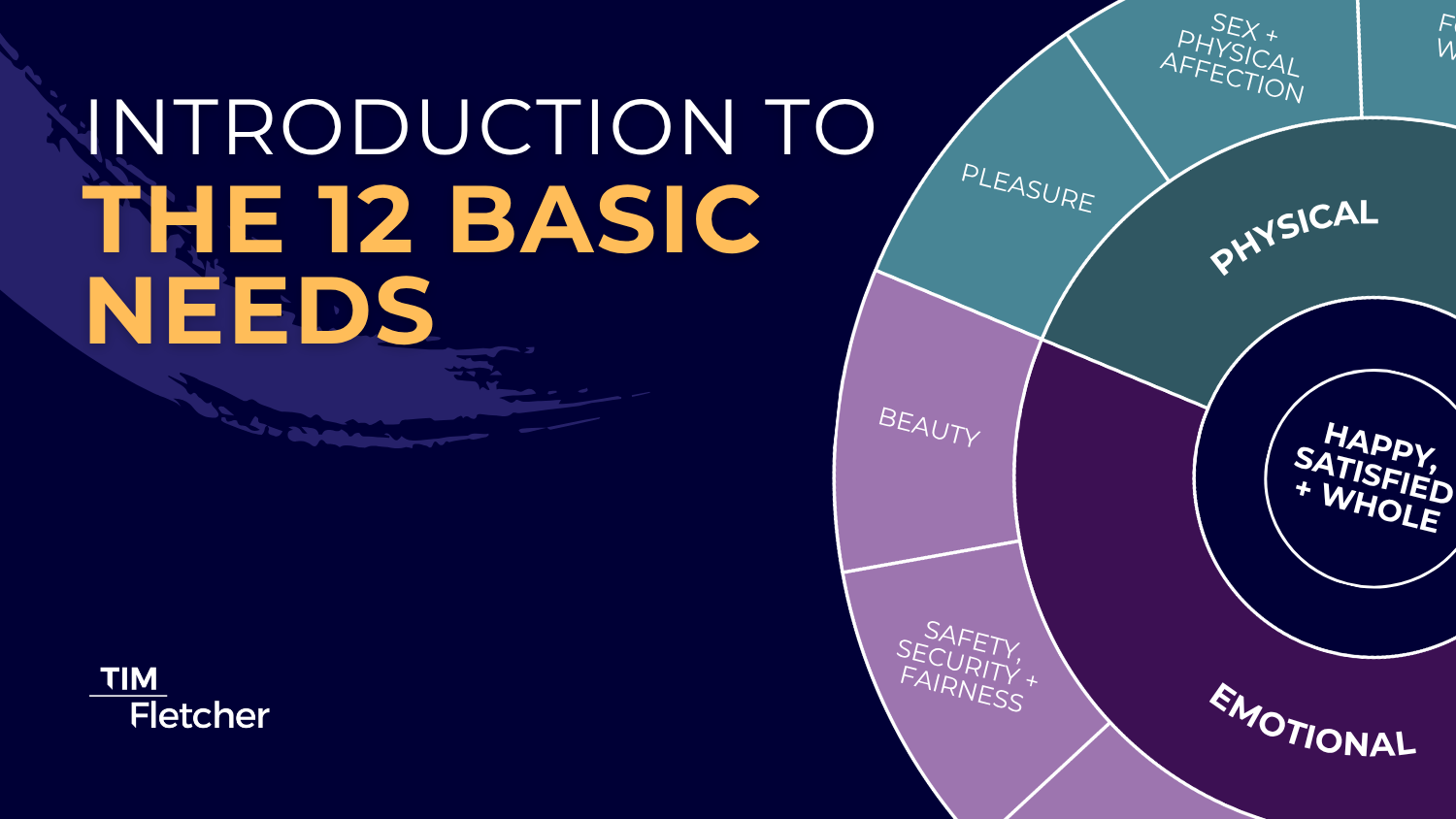
Learn the fundamentals of the 12 Basic Needs. If you’ve felt a persistent sense of emptiness, restlessness, or that something never quite feels resolved, this course will help you understand why. You’ll learn how unmet needs shape patterns and coping, and how to start recognizing what may actually be underneath those experiences.

If you find yourself overreacting, shutting down, avoiding conflict, or constantly trying to keep others happy, this course will help you understand why. You’ll learn how fight, flight, freeze, and fawn responses develop, and how to start recognizing the patterns that may still be shaping your reactions and relationships today.
If you’ve struggled with anxiety, shame, relationship patterns, or a sense that something doesn’t quite make sense in your life, this course will help you understand why. You’ll learn how Complex Trauma can shape multiple areas at once, and how to start seeing your patterns as connected rather than random.
If you’ve started to recognize patterns of Complex Trauma but don’t fully understand where they came from, this course will help you connect the dots. You’ll explore how early environments, unmet needs, and relationship dynamics shaped your patterns, so they begin to feel understood rather than confusing.