

The Best Complex Trauma Books for Your Healing Journey
The journey of healing from complex trauma (C-PTSD) can feel like navigating an endless, foggy maze. You might find yourself searching for answers, for validation, for a language to describe the pain you have carried for so long. Perhaps you have asked yourself, Why do I react so strongly to small things? or Why do I feel so different from everyone else?
If these questions resonate, know that the very act of asking them signals something important. You are seeking, and seeking is the first step toward finding.
For many survivors, books become a lifeline, a private, gentle entry point into understanding their own story. They offer more than just information; they offer companionship. They hold the power to reframe our deepest shame into a logical, survivable response to an overwhelming past. In the words of Dr. Bessel van der Kolk, "After trauma the world becomes sharply divided between those who know and those who don't." This article is for those who are ready to know.
We have curated a list of the best complex trauma books, categorized not just by topic, but by the specific questions they answer. Whether you are just beginning to connect your past to your present, or you are deep in the work of recovery, these resources will help you build a new map for your healing.
"After trauma the world becomes sharply divided between those who know and those who don't."
— Dr. Bessel van der Kolk

Why Reading Is a Radical Act of Self-Care
Before we dive into the list, it is important to acknowledge why picking up a book can be so therapeutic. For a nervous system shaped by complex trauma, engaging with healing material is an act of reclaiming agency.
Validation: Reading about the experiences of others or the science behind your symptoms can immediately dissolve the isolating belief that you are "the only one" who feels this way.
Pacing: Unlike a therapy session, a book allows you to move at your own speed. You can put it down when a topic feels too heavy. You can sit with a single paragraph for a week. You are in control.
Reframing: As we often discuss here at Tim Fletcher Co., complex trauma distorts your internal map. Books provide the correct coordinates, helping you see that your "faults" are actually survival adaptations.
With that understanding, let us explore the books that can serve as your guides.
The Foundation: Understanding the "What" and "Why" of Complex Trauma
These are the essential reads that explain how trauma reshapes the brain, the body, and the self. They are the textbooks of recovery, grounding you in the science so you can stop blaming yourself and start understanding your system.
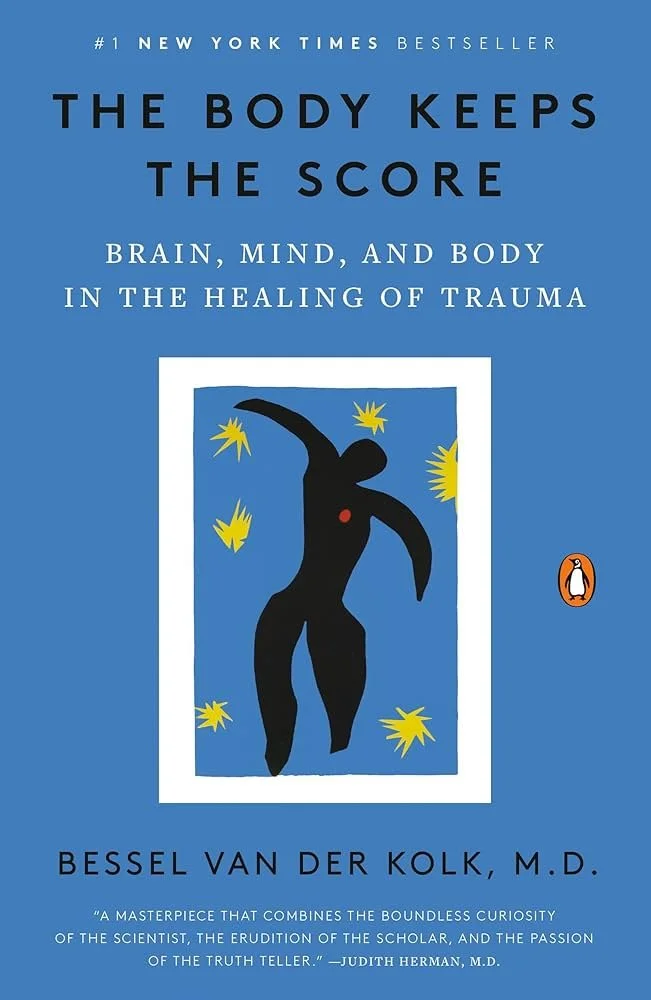
The Body Keeps the Score: Brain, Mind, and Body in the Healing of Trauma by Bessel van der Kolk, MD
Widely considered the foundational text of the modern trauma movement, this book is a must-read for a reason. Dr. van der Kolk masterfully explains how trauma is not just a story that happened to you in the past; it is an imprint on your body and brain that continues to shape your present. While it covers a broad spectrum of trauma, its insights are crucial for anyone trying to understand the physiological roots of their anxiety, numbness, or hypervigilance.
The "Aha" Moment: Realizing that your inability to "just let go" of the past is not a character flaw, but a biological imperative of a brain trying to protect you.
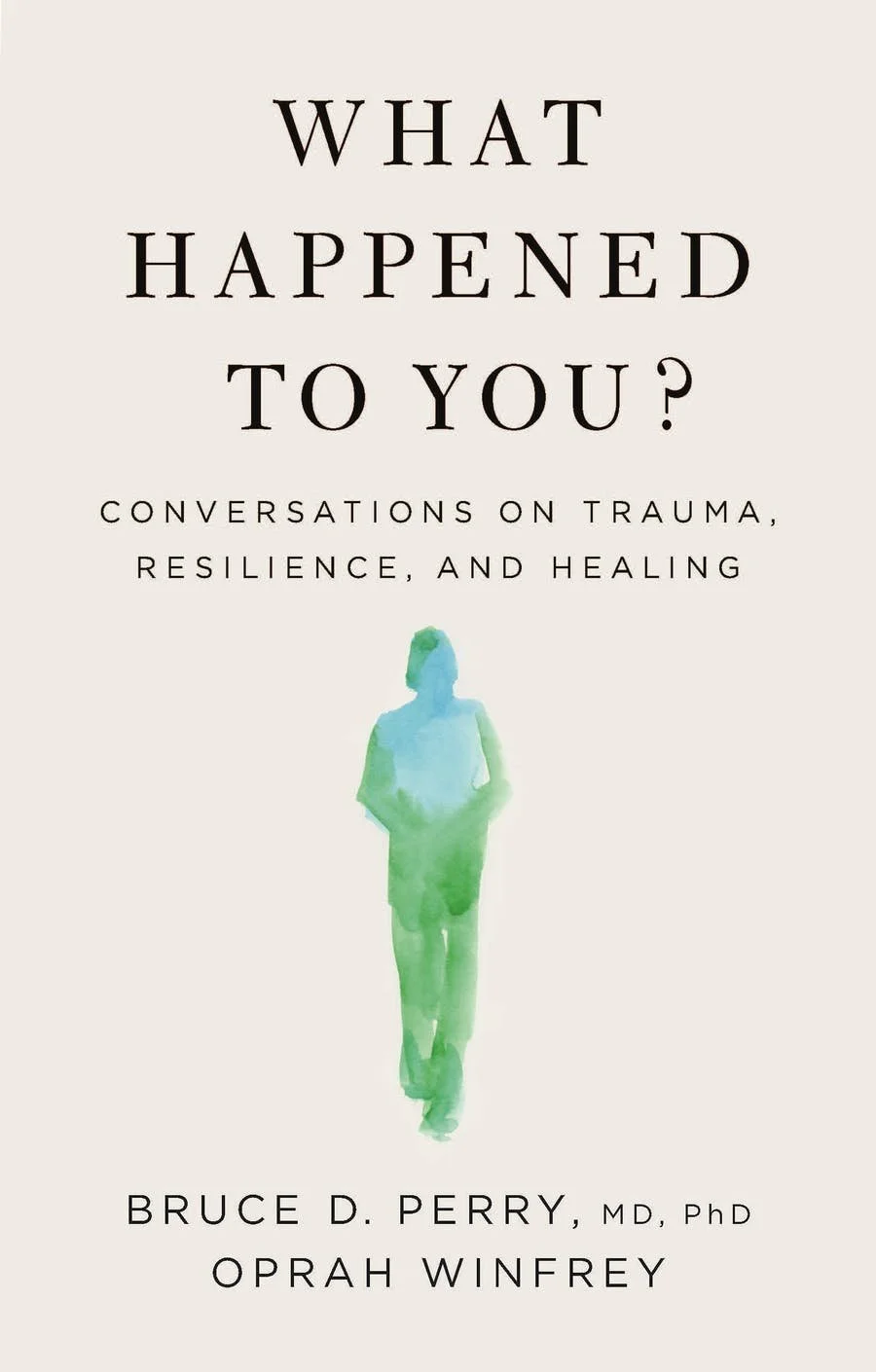
This book shifts the central question of recovery from "What is wrong with you?" to "What happened to you?" This simple reframe is profoundly compassionate. Through conversational dialogue, Dr. Perry explains the neuroscience of trauma in an accessible way, while Oprah shares her own story, making complex concepts feel personal and relatable. It is an ideal starting point for those who feel intimidated by more academic texts.
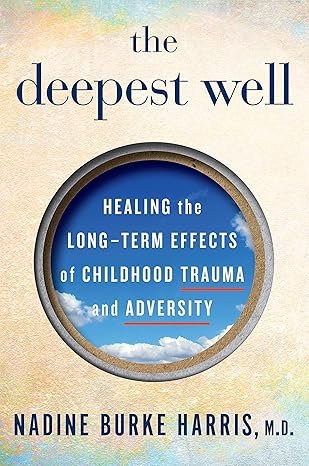
Dr. Burke Harris, a pediatrician, explores the connection between Adverse Childhood Experiences (ACEs) and physical health. She reveals how complex trauma can lead to long-term medical illness, making a powerful case for why healing is not just an emotional pursuit but a physical necessity.
The Map of the Self: Healing the Inner World
Complex trauma fragments the self. It creates an inner critic that is vicious, a "not-good-enough" feeling that is constant, and emotional flashbacks that feel like they come from nowhere. These books speak directly to those internal experiences.
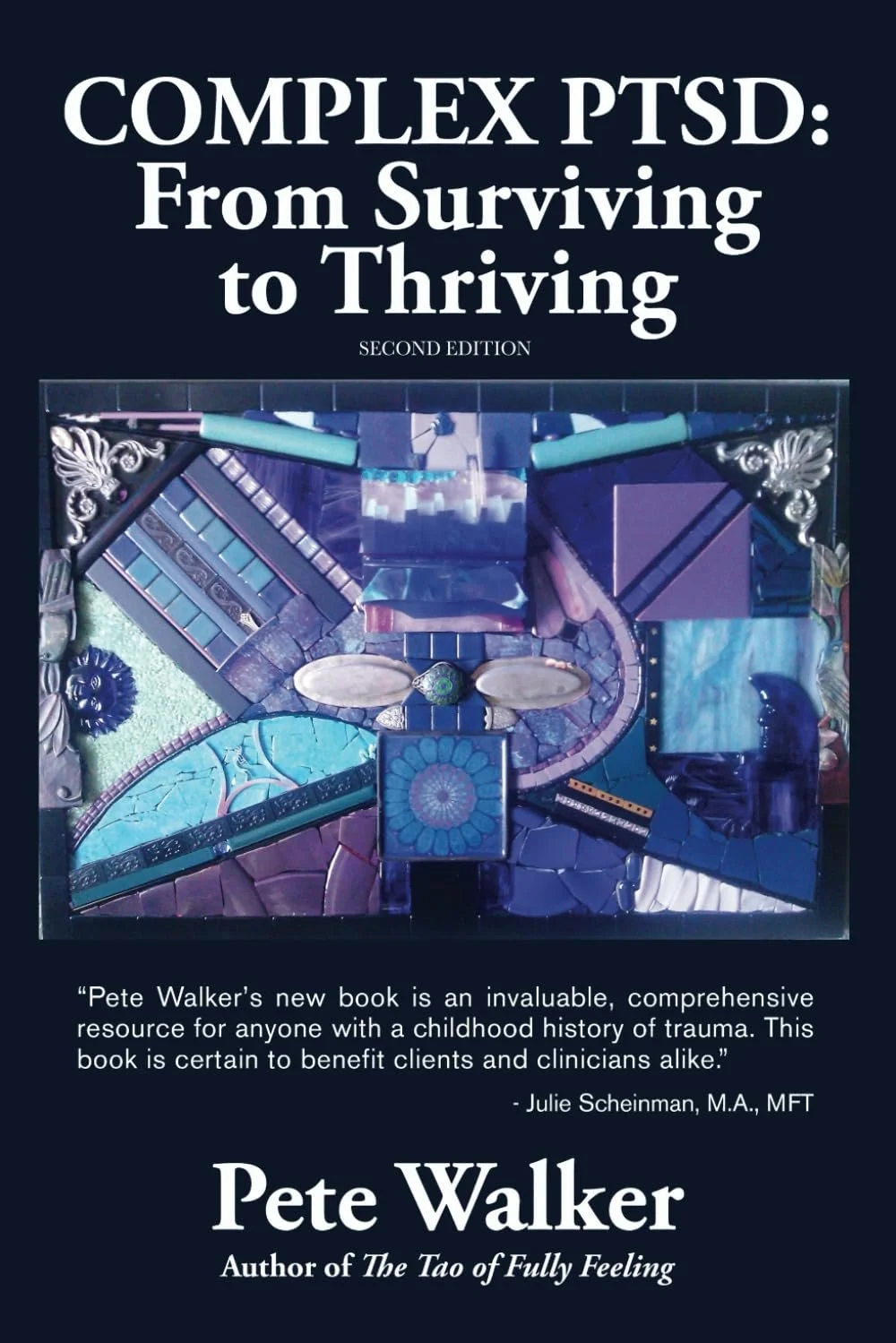
Complex PTSD: From Surviving to Thriving by Pete Walker
If you read only one book from this list, let it be this one. Pete Walker, a therapist and survivor himself, offers a comprehensive guide to the specific nuances of C-PTSD. He introduces the concept of emotional flashbacks, a cornerstone of complex trauma that is often misunderstood, and provides practical steps to manage them. His exploration of the four "F" responses to trauma (Fight, Flight, Freeze, and Fawn) is invaluable for understanding your default stress responses.
The "Aha" Moment: Identifying your dominant "F" type (for example, "fawn", people-pleasing) and realizing it was a brilliant, creative survival strategy you developed as a child, not a weakness you have as an adult.
Also by Pete Walker: The Tao of Fully Feeling. This book explores the vital role of grieving in recovery and helps survivors reclaim the full spectrum of human emotion that was often shut down in childhood.
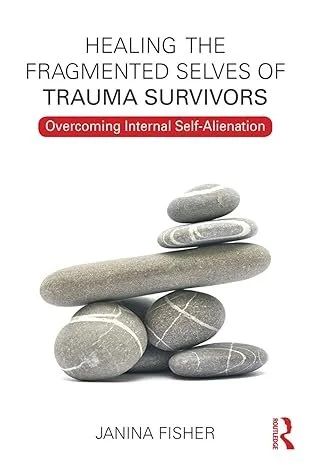
Healing the Fragmented Selves of Trauma Survivors by Janina Fisher, PhD
Building on the Internal Family Systems (IFS) model and neuroscience, Dr. Fisher provides a roadmap for understanding the different "parts" of yourself. Instead of seeing yourself as one broken person, you learn to see a collection of parts—some stuck in the past, some trying to protect you, that can be understood and integrated. This is a powerful resource for overcoming the self-hatred that keeps survivors stuck.
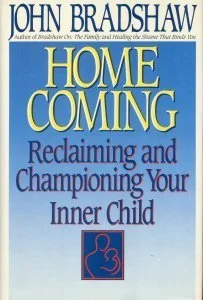
Homecoming: Reclaiming and Championing Your Inner Child by John Bradshaw
A classic in the field, Bradshaw's work is a deep dive into the concept of the "inner child." He provides exercises and visualizations designed to reconnect with the wounded parts of our past, offering them the safety and nurturing they did not receive. It is a compassionate and practical guide to reparenting yourself.
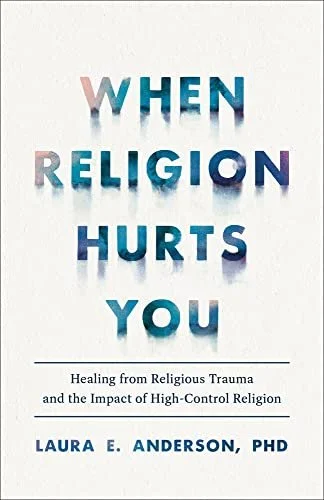
For many, the wounds of trauma are compounded by experiences within religious systems. Dr. Anderson, a psychologist and survivor of high-control religion, offers a compassionate and clinically informed guide to understanding religious trauma. She helps readers untangle their faith from their abuse and begin to define their own spirituality or non-spirituality on their own terms.
Also recommended: You Are Your Own by Jamie Lee Finch. This book offers a gentle and affirming exploration of leaving evangelicalism, focusing on reclaiming your inherent worth and autonomy outside of a system that demanded you deny them.
▶ Watch Tim and Andy’s conversation with Jamie Lee Finch on the Time with Tim Podcast
The Body's Wisdom: Reconnecting to Your Physical Self
As Dr. van der Kolk taught us, the body keeps the score. These authors are pioneers in helping survivors return to their bodies, not as a source of pain, but as a source of wisdom and safety.
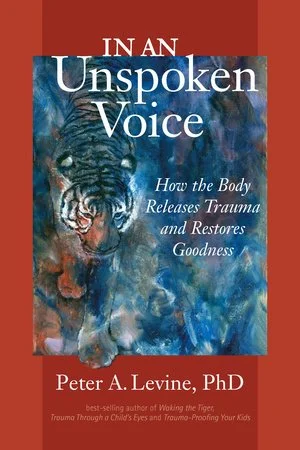
In an Unspoken Voice: How the Body Releases Trauma and Restores Goodness by Peter A. Levine, PhD
Dr. Levine is the founder of Somatic Experiencing, and this book is a profound exploration of his work. He explains how trauma gets "stuck" in the body and how, by gently paying attention to physical sensations, we can release it. It is a poetic and scientific look at our innate capacity to heal.
Also by Peter A. Levine: Healing Trauma: A Pioneering Program for Restoring the Wisdom of Your Body. This is a more practical, workbook-style companion to his theories, offering guided exercises and audio resources to begin somatic work at home.
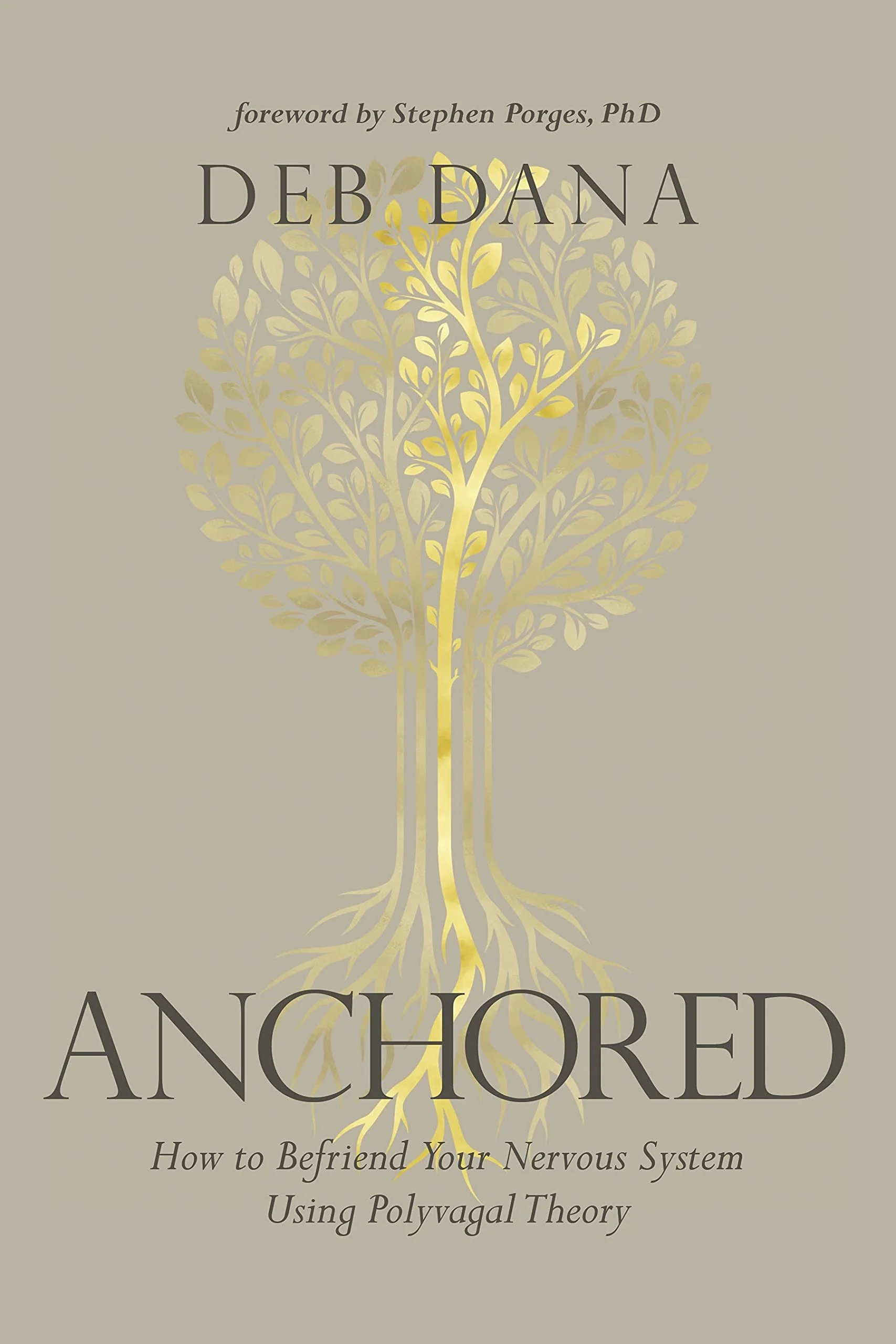
Anchored: How to Befriend Your Nervous System Using Polyvagal Theory by Deb Dana
Polyvagal theory can sound complex, but Deb Dana makes it accessible and deeply practical. She explains the three main states of the nervous system, ventral vagal (safe and social), sympathetic (fight/flight), and dorsal vagal (shutdown/freeze), and helps you map your own "personal profile." The goal is not to eliminate stress responses, but to befriend your nervous system and gently guide it back to safety.
Also by Deb Dana: Polyvagal Theory in Therapy. A more clinical guide, excellent for those wanting a deeper theoretical understanding.
▶ Watch Tim and Andy’s conversation with Deb Dana on the Time with Tim Podcast
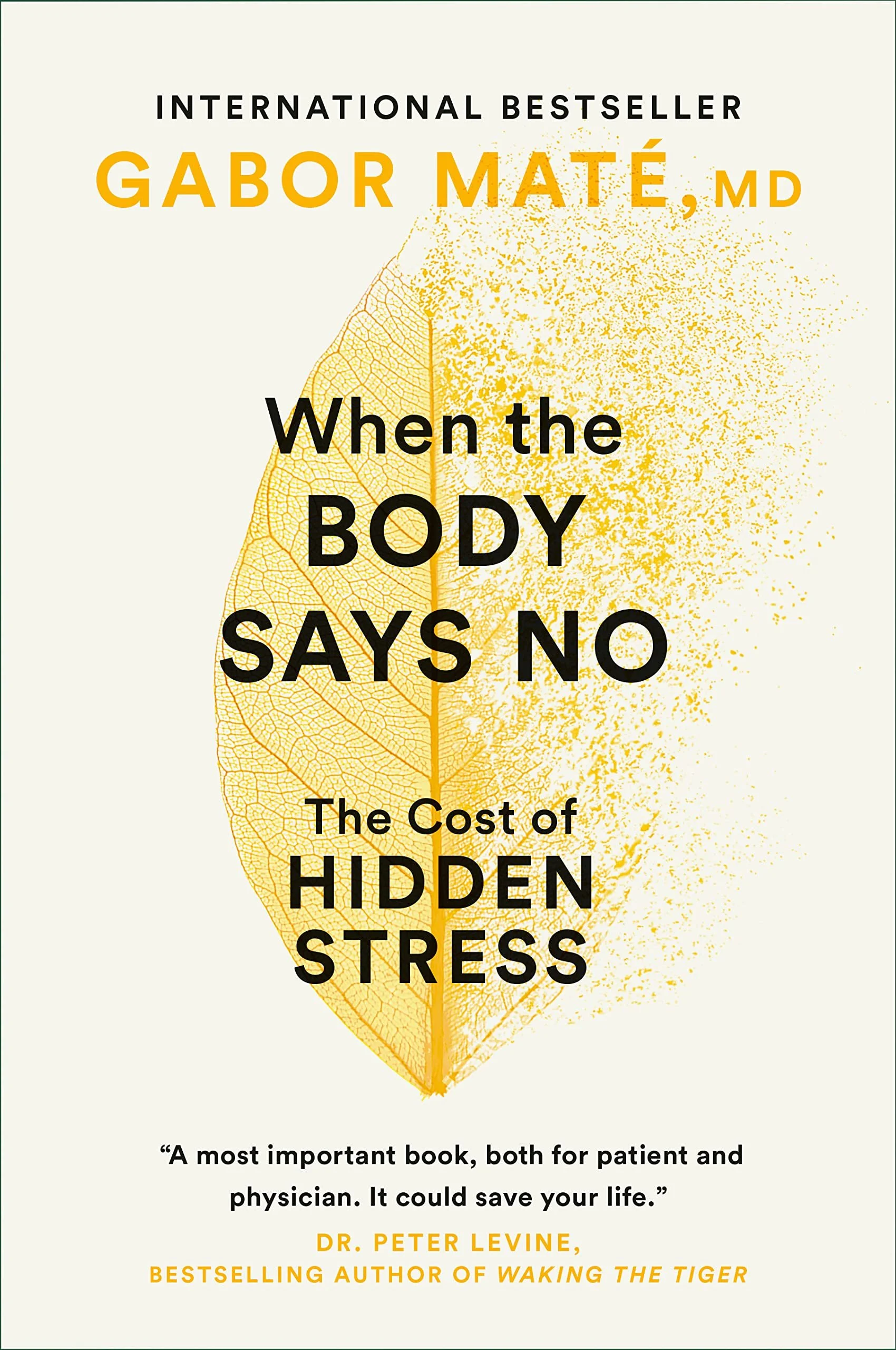
When the Body Says No: The Cost of Hidden Stress by Gabor Maté, MD
Dr. Maté explores the undeniable link between emotional stress and physical disease. He argues that the unconscious suppression of anger and authentic needs, a hallmark of complex trauma, places a massive biological burden on the body. This book is a powerful call to prioritize your emotional health as a non-negotiable part of your physical well-being.
Dr. Apigian bridges the gap between traditional medicine and the biology of trauma. She provides a comprehensive look at how trauma impacts us on a cellular level and offers a clear roadmap for healing, focusing on the three phases of trauma recovery: stabilization, integration, and connection.
The Patterns of Connection: Healing Relationships
Complex trauma happens in relationships, and it heals in relationships. But before we can find safe connection with others, we must understand the patterns that keep us trapped in painful dynamics.
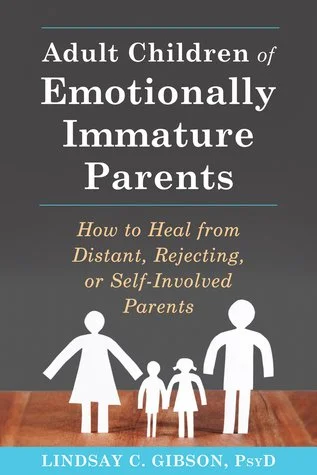
This book is nothing short of a revelation for millions of readers. Dr. Gibson provides a clear, compassionate framework for understanding why our parents may have been incapable of providing the emotional connection we needed. By identifying the four types of emotionally immature parents, she helps survivors stop exhausting themselves trying to get blood from a stone and start focusing on their own healing.
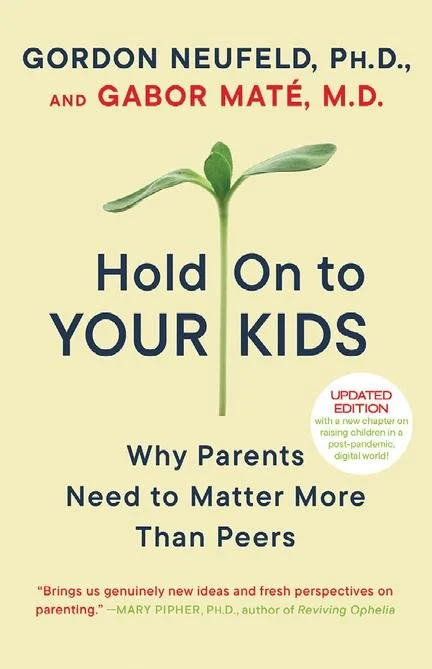
While written for parents, this book offers profound insights for anyone recovering from attachment wounds. It explains the critical importance of attachment and what happens when that attachment is broken or directed toward peers instead of caregivers. It helps survivors understand the deep roots of their feelings of isolation and their desperate need to belong.
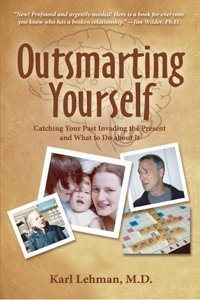
Outsmarting Yourself: An 8-Step Process to Accessing Your Healing Power by Karl Lehman, MD
Dr. Lehman integrates faith and neuroscience to provide a practical model for healing painful memories and negative beliefs. He walks readers through a process of identifying triggers, accessing the original wound, and allowing healing to come to those broken places. It is a highly structured and compassionate guide for those wanting to combine psychological tools with their spiritual faith.
Navigating Your Healing Library
As you begin or continue your journey with these books, please remember these guidelines:
1. Read at Your Own Pace. If a chapter or a concept triggers you, put the book down. Your healing is not a race. The information will be there when you are ready.
2. Journal as You Go. Keep a notebook handy. Jot down thoughts, feelings, and questions that arise. This turns passive reading into active reflection.
3. Pair with Connection. While books are wonderful companions, they are not a replacement for professional support. If you can, bring your insights and questions to a trauma-informed therapist or a trusted support group.
4. Honor Your Grief. These books will likely bring up grief, for the childhood you did not have, for the relationships that were not safe, for the parts of yourself you had to bury. This grief is not a sign you are failing; it is a sign you are healing. As we discussed in our guide to accurate connection, seeing our past clearly is often painful before it is liberating.
The fact that you are searching for the best complex trauma books is proof of something vital. You are seeking to understand, to grow, and to heal. That takes immense courage. Take what serves you from these pages, leave what does not, and know that with every word you read, you are taking another step toward reclaiming your life. You are building a new internal map, one that can finally lead you home to yourself.
If You Leave Me, Can I Come Too? The answer is yes. You can come with you. And on this journey, you will find that you are the safest companion you could ever ask for.
Video: Tim Fletcher’s Top 22 Trauma Recovery Books Worth Reading
If the insights in this article resonated with you, and you are ready to dive deeper into understanding the complex trauma patterns that keep you stuck, we invite you to explore our resources on complex trauma recovery.
The Tim Fletcher Co. methodology is built on a progressive 4-Tier path to healing, recognizing that recovery is a journey that deepens over time:
Tier 1: Introductory Education.
Focus: Build awareness and foundational language. Goal: Understand C-PTSD basics. Recommended Starting Point: Evergreen Library for micro learning.
Tier 2: Enhanced Learning Tools.
Focus: Develop agency and a deeper personal understanding. Goal: Gain practical tools with community support. Recommended Starting Point: ALIGN Courses for self guided learning.
Tier 3: Immersive Recovery.
Focus: Practice tools for transformation in a supported space. Goal: Experience real, lasting change. Recommended Starting Point: LIFT Online Learning, the core immersive program.
Tier 4: Supporting Others.
Focus: Extend healing by equipping yourself to help others. Goal: Learn to support, serve, and lead in recovery. Recommended Starting Point: COMPASS Internship for those called to lead and serve.
